The escalating reliance on artificial intelligence systems that operate autonomously underscores a pressing need for reliable identity mechanisms. Traditional identity structures, once tailored for static human users, falter in the face of the dynamic, often ephemeral nature of non-human entities. This is where the Secure Production Identity Framework For Everyone (SPIFFE) comes into play, providing a modern approach that appears increasingly crucial for the integrity of agentic AI systems.
Understanding SPIFFE's Role
SPIFFE emerged as an open standard designed to redefine identity within the context of cloud-native applications. It enables systems to authenticate workloads securely while sidestepping the hazards associated with long-lived credentials like passwords. This framework defines a methodology to issue cryptographic identities, referred to as SPIFFE IDs, tailored for microservices. Each identity not only encapsulates unique identifiers but also supports dynamic credentialing—where identities are automatically issued and rotated to mitigate risks associated with credential leaks.
The Significance for Agentic AI
As AI becomes more decentralized, the need for robust identity mechanisms becomes critical. Systems such as autonomous agents, which can operate and make decisions independently, face the dual challenge of proving their identities and establishing trust within multi-agent ecosystems. SPIFFE addresses these needs effectively.
Here’s why SPIFFE is poised to influence the future landscape of agentic AI:
Creating Trustworthy Non-Human Identities
AI agents can leverage SPIFFE IDs, which are distinct from human-based credentials. Such an approach not only verifies their identities but also communicates their roles and privileges within a system. This eliminates ambiguity in AI agent provenance and capability, which is fundamental for smooth operational execution.
Embracing a Zero Trust Architecture
Adopting a zero trust model is indispensable in a realm marked by potential impersonation and unauthorized access. SPIFFE complements this architecture through mutual TLS (mTLS), ensuring that all communications between agents are authenticated and encrypted. This level of security is vital as AI systems interact openly across various networks and platforms.
Federation Across Diverse Trust Domains
Many AI applications span across various organizations and cloud environments. Here, SPIFFE’s federated model shines, allowing for identity validation across different trust boundaries. This capability is essential when AI agents need to collaborate and operate together securely, removing the limitations imposed by isolated identity frameworks.
Managing Dynamic Identity Lifecycles
AI agents frequently appear and vanish rapidly within their operational contexts. SPIFFE facilitates this by allowing for ephemeral identities, characterized by automatic rotation and revocation. Short-lived credentials significantly reduce the attack surface, providing an added layer of operational security critical in AI applications.
Practical Applications: AI Coordination in Smart Infrastructure
Consider the case of AI agents utilized in managing a smart city, controlling everything from traffic signals to energy systems. These agents need to authenticate, establish authority, and communicate securely with each other, necessitating a resilient identity management framework. Using SPIFFE, each agent can be assigned a SPIFFE ID and relevant certificates via a central SPIRE (SPIFFE Runtime Environment) server. This setup ensures that trust is established across the system, and policies governing permissions can be enforced without manual oversight.
Vault Enterprise's Integration with SPIFFE
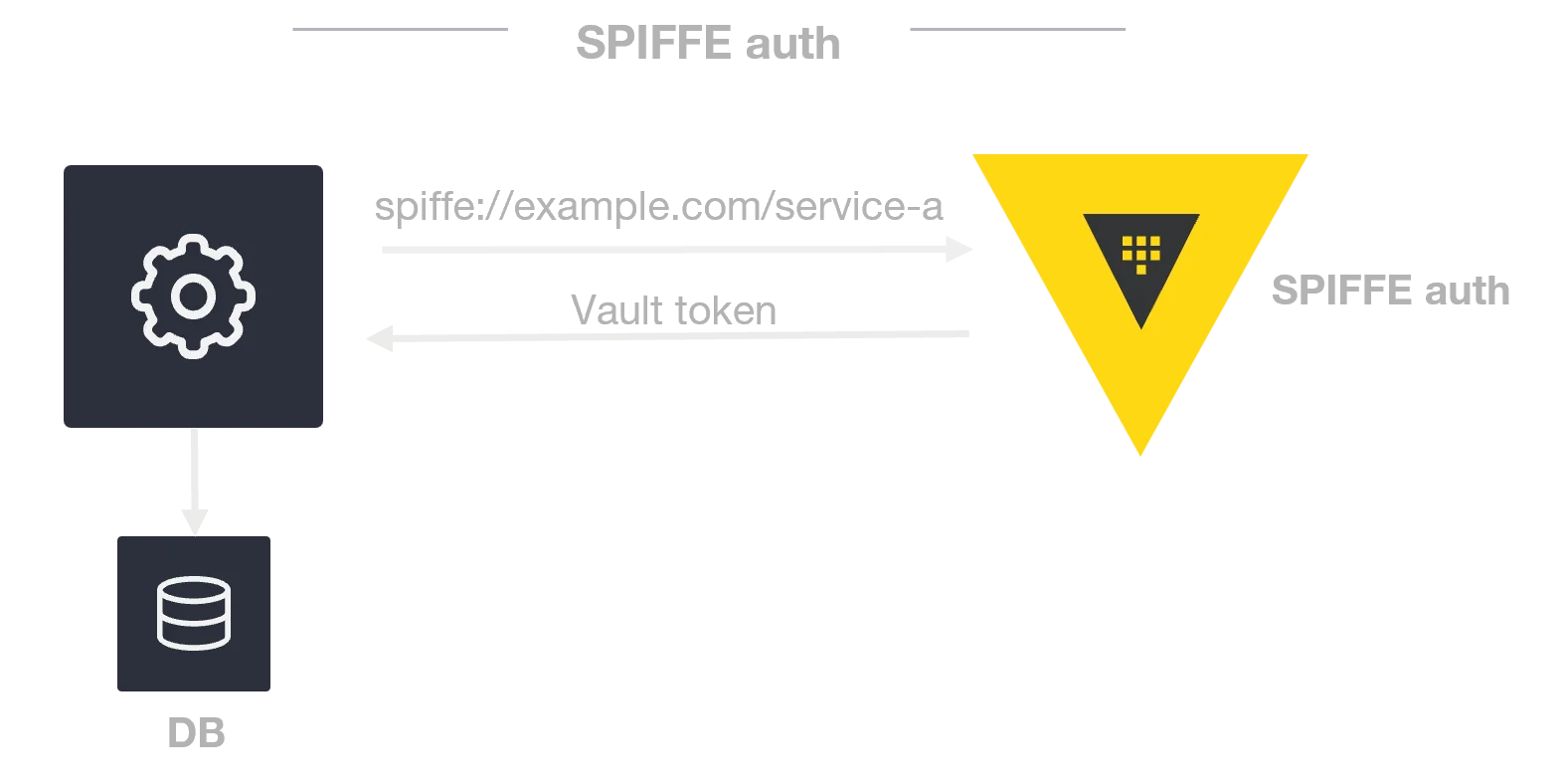
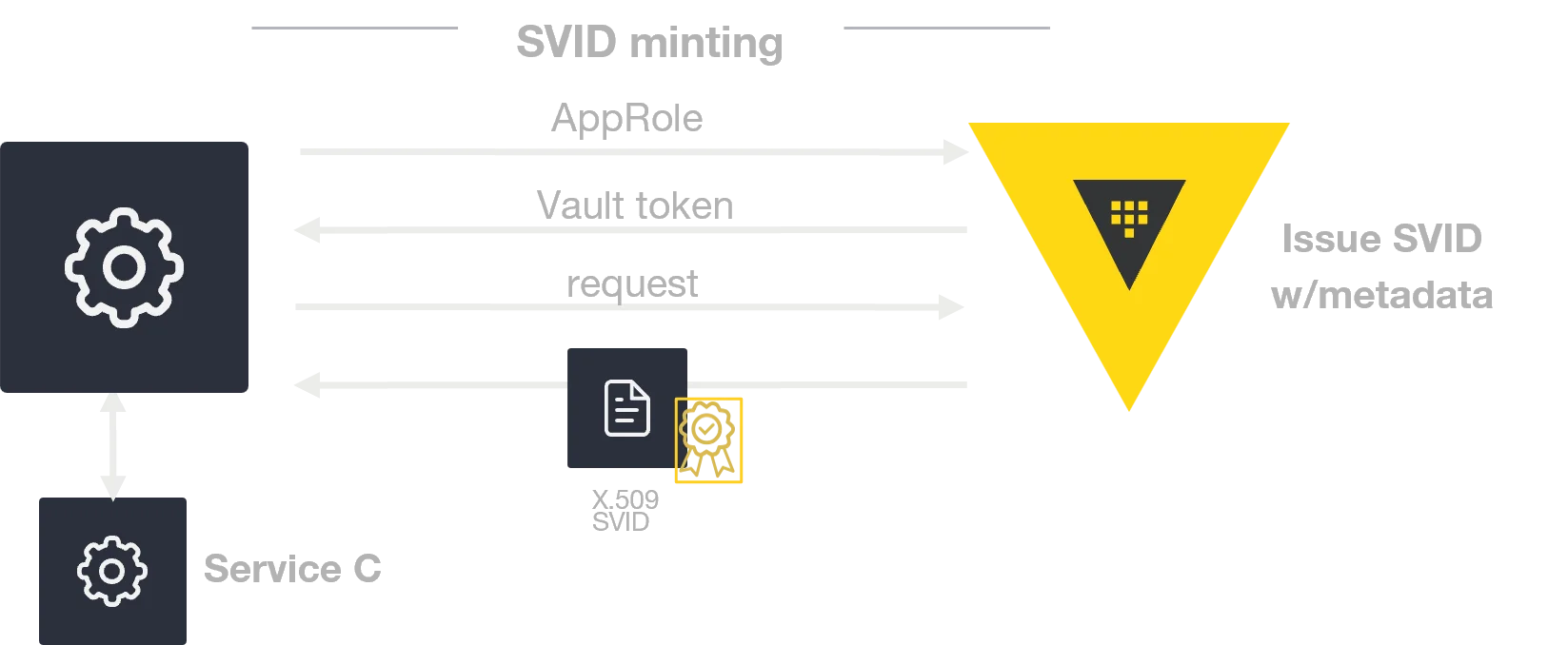
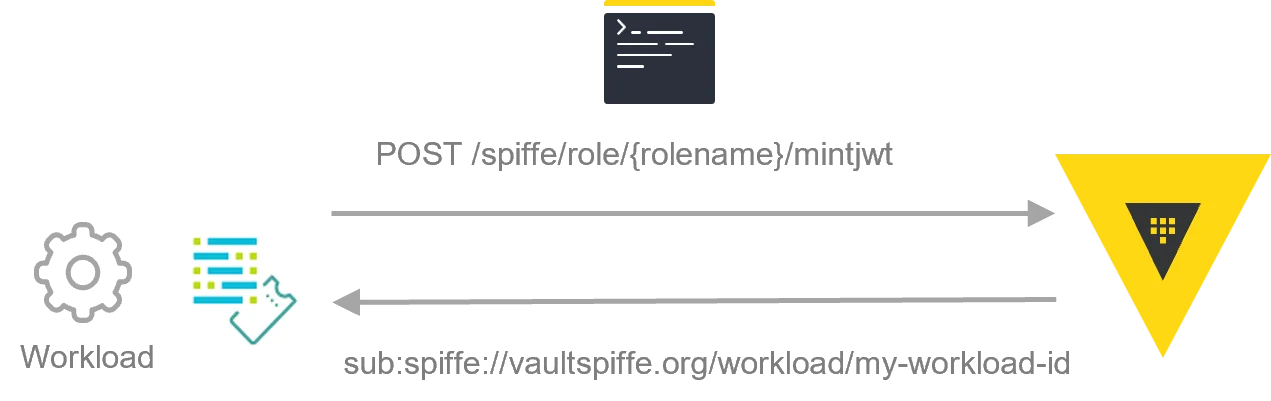
In light of recent developments, Vault Enterprise has enhanced its functionalities to support SPIFFE natively. The 1.21 release introduced mechanisms for non-human identities, streamlining the authentication for AI agents through the issuance of X.509-SVIDs. Notably, by the release of version 2.0, a dedicated SPIFFE secrets engine was unveiled, allowing organizations to request tokens that acknowledge successful authentication, thus enabling JWT SVID tokens tailored for specific workloads.
The integration with Vault offers significant advantages:
- Automated SVID Issuance: By automating the assignment of identity certificates for authenticated workloads, Vault simplifies SPIFFE implementation, reducing manual overhead.
- Traceability and Auditability: Vault generates comprehensive logs detailing each authentication and SVID issuance event. This capability provides enhanced visibility crucial for security protocols and auditing processes.
Looking Toward an AI-Driven Future
The landscape for autonomous AI systems is rapidly evolving, accompanied by an increasing demand for sophisticated identity frameworks. SPIFFE combined with HashiCorp Vault represents a formidable solution, addressing the pressing requirement for identity validation and security within agentic AI frameworks. As these systems become more integrated into digital ecosystems, establishing trust will play a critical role in their successful deployment and management.
For further insights on leveraging Vault in these contexts, you can visit the Vault product page.