A different battery, and a different value proposition
Slate’s battery change reshapes the value proposition of its low-cost electric pickup. The truck now uses a 65kWh lithium iron phosphate (LFP) pack made in Illinois, with a projected range of 205 miles. The chemistry and local supply chain help the company target a $24,950 starting price, plus a $1,450 destination fee. That price gives the battery choice a direct role in the truck’s pitch: Slate is trying to make a limited-range electric pickup affordable, rather than offer several battery sizes at different prices.
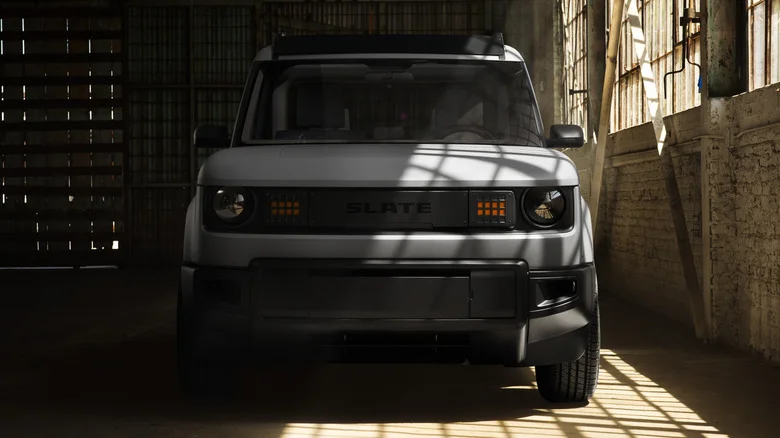
That 205-mile figure is Slate’s estimate based on an EPA test cycle; it isn’t a finalized EPA rating. The distinction matters because a test-cycle estimate helps compare plans, but buyers won’t know the official figure until the rating is complete. The company first introduced a different battery plan when it unveiled the pickup in April 2025. At the time, the base truck was set to use a 52.7kWh nickel-manganese-cobalt (NMC) battery from SK On for an estimated 150 miles. An optional 84.3kWh pack was expected to extend range to about 240 miles.
A shorter supply route and a simpler pack
Slate has replaced both planned NMC options with a single LFP battery supplied by Gotion and manufactured in Manteno, Illinois. The plant is about 90 miles from Slate’s factory in Warsaw, Indiana. The original SK On module supply was to come from Commerce, Georgia, roughly 710 miles away, making the Illinois production route shorter. A shorter route can simplify the movement of a large, heavy component and may give the automaker a closer production partner. It doesn’t, by itself, establish what the finished truck will cost to build or how reliably the supply will scale.
The change also reflects a shift in the company’s earlier priorities. Slate initially pursued a battery supply that could help the truck qualify for the federal clean-vehicle tax credit, which could have been worth up to $7,500 for eligible buyers. That approach favored US-made NMC cells over an LFP supply chain then concentrated in China. The credit ended for vehicles acquired after September 30, 2025, removing that incentive to design around its sourcing rules. The sourcing calculation therefore changed: domestic production still matters to Slate’s manufacturing plan, but the credit no longer sets the same constraint on battery choice.
Supply availability changed too. Slate CEO Chris Barman told InsideEVs in 2025 that a supplier the company had considered lacked the capacity it needed and couldn’t meet the credit’s restrictions on battery materials linked to certain China-linked entities. Gotion can now build the pack in Illinois. LFP also costs less than NMC, whose cathode uses nickel, manganese and cobalt instead of iron and phosphate. For an entry-level vehicle, that cost difference can shape whether a larger battery is viable at all, though Slate hasn’t provided a cost breakdown.
The new pack uses box-shaped prismatic cells stacked directly into the battery, replacing the separate-module arrangement planned for the SK On system. Slate says the layout makes better use of the space beneath the truck. Fewer layers between cells and the battery enclosure can help reserve more of that constrained area for energy storage, a relevant consideration when the pack must fit under a pickup. Barman told InsideEVs in 2026 that Slate was “excited to be able to provide more range and really maintain the price point” it had targeted. The company hasn’t said what happened to its previously announced battery deal with SK On.
More range, with limits on power and capacity
For a vehicle with a projected 205-mile range, LFP’s ability to tolerate frequent charging to 100% offers a practical benefit. Owners may find that more convenient when they need the full stated range regularly, since the chemistry is commonly suited to that charging pattern. The trade-off is lower energy density: LFP stores less energy than NMC for a given size and weight. Slate has dropped the planned 240-mile version because the 65kWh battery fills the available underbody space. The result is a clearer but narrower choice: buyers get one pack sized around the truck’s packaging limits.
The chemistry change also brings a modest power reduction. The truck’s output is now 181 horsepower, down from the 201 horsepower originally announced, though Slate still claims a zero-to-60-mph time of eight seconds. The range increase comes from several changes together: battery capacity grew from 52.7kWh to 65kWh, and Slate also made aerodynamic and thermal improvements. That means the longer estimate can’t be credited to chemistry alone; pack size and vehicle efficiency both contribute. The numbers here are underwhelming for buyers seeking a long-range pickup, but they may fit a product whose main argument is its price.
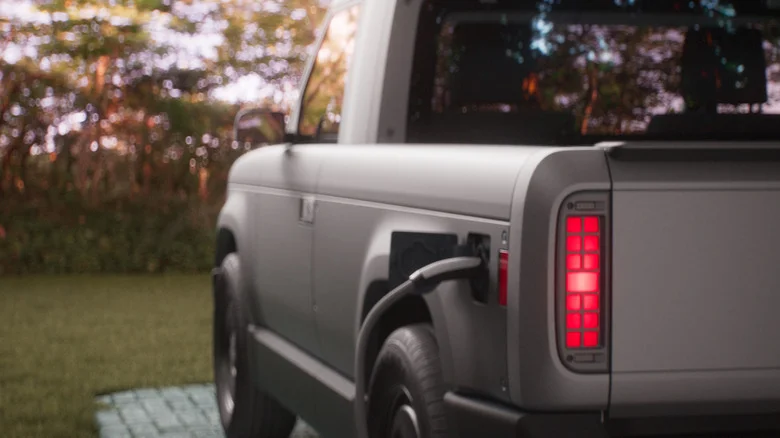
What buyers should watch next
Slate’s current setup leaves buyers with one battery option and one projected range figure. The battery and powertrain warranty is 10 years or 110,000 miles. The key question now is how closely the truck’s final EPA rating matches its 205-mile estimate. That figure will help buyers judge whether the pickup suits daily local driving, regular longer trips, or neither without careful planning.
If you’re working in this space, Slate’s choice is a useful reminder that battery strategy is also a packaging and pricing decision. A single pack simplifies the product lineup, but it leaves less room to serve buyers with different range needs. And this is the part most people overlook: a shorter supply route and lower-cost chemistry can support the target price, yet neither tells us how the truck will perform in routine use. That’s still to come.