NVIDIA is bringing DLSS 5 to RTX Remix on October 23, putting its Neural Rendering technology within reach of people modding older PC games. That expands the toolset for remastering classics with ray tracing and AI-upscaled textures, but it also carries the same tradeoffs that have made DLSS 5 divisive: substantial frame-rate costs and changes to a game’s visual character.
The addition matters because RTX Remix is a modding platform, not a single game release. A feature made available there could give creators a way to alter lighting across a much wider range of older titles. Whether those changes count as visual improvements depends on the game, the scene and the player’s tolerance for NVIDIA’s interpretation of its art direction.
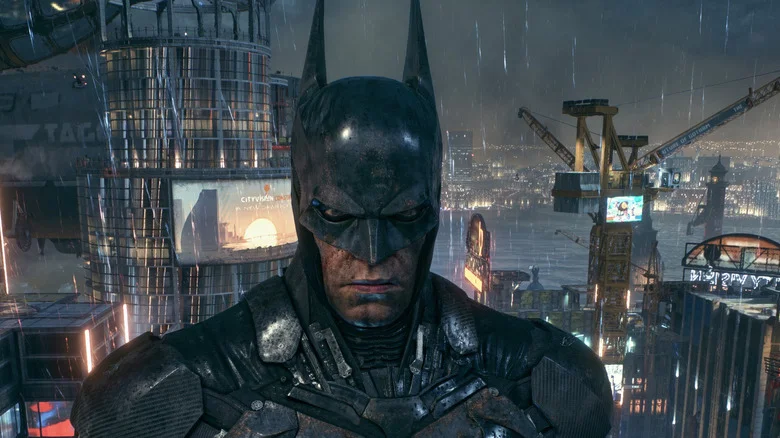
Remix gives DLSS 5 a broader audience
NVIDIA’s RTX Remix has been available free since early 2024. It lets users and programmers bring features such as ray tracing and AI-upscaled textures to older games. DLSS 5 is scheduled to arrive in Remix on October 23, following its planned October 16 appearance on RTX Spark, NVIDIA’s new system-on-a-chip. The company has also announced that Hogwarts Legacy will receive official DLSS 5 support on November 5.
That sequence places the technology in several different contexts: a dedicated modding environment, a new NVIDIA device and a named game. For Remix creators, the key change is access to lighting effects that can substantially alter how characters appear. Screenshots NVIDIA has shown from Hogwarts Legacy suggest the effect has been moderated since its first presentation. The students look less dramatically transformed than they did in the initial footage.
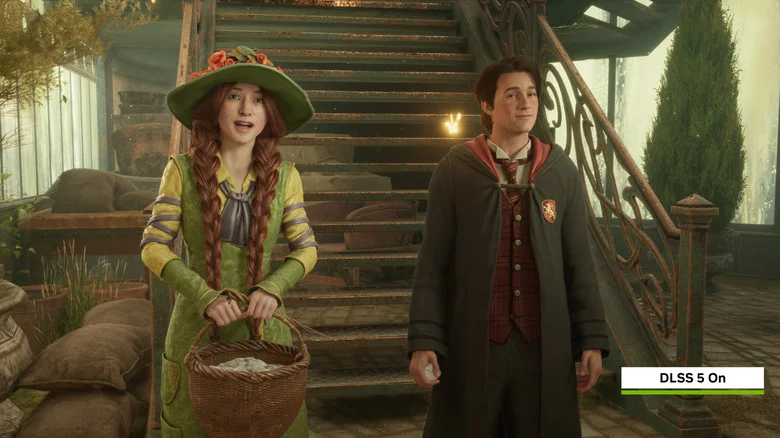
That adjustment may help, but it doesn’t resolve the bigger argument. DLSS 5 can reshape character lighting enough to make familiar faces feel different, and some players see that as a departure from the look developers intended. Other players may prefer the result. Remix will make the choice more accessible to modders, which could turn that debate into a much more practical one: does a particular game look better with the effect enabled?
Community tools already extend compatibility
People curious about DLSS 5 don’t have to wait for every game to receive official support. After an early build of NBA 2K27 leaked, modders gained access to the Neural Rendering technology. Community-built programs, including DLSS 5 Manager and DLSS 5 Swapper, can install it in many PC games that use Vulkan or DirectX. The listed DirectX coverage includes DX9, DX10, DX11 and DX12. An NVIDIA RTX GPU is required.
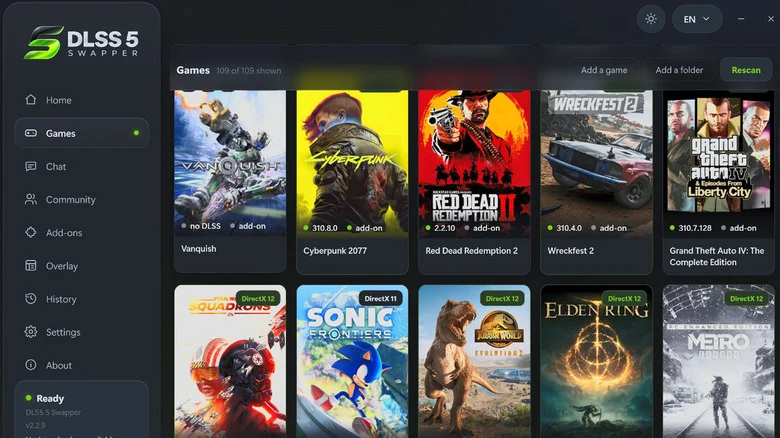
DLSS 5 Swapper is designed to keep installation simple. It scans drives and game libraries for compatible titles, then lets the user select a game and choose "Install DLSS 5". The app installs the required DLL files and ReShade, and it identifies the rendering API automatically. If the results aren’t to a player’s taste, "Restore originals" removes the Neural Rendering files and returns the game to its previous state.
There’s a notable compatibility limit: these mods can conflict with games that require anti-cheat software. GTA V: Enhanced Edition, for example, would not launch with the mod because BattlEye is required. That makes unofficial injection a poor fit for some games, even when the installation process itself is straightforward.
The visual payoff depends on the game
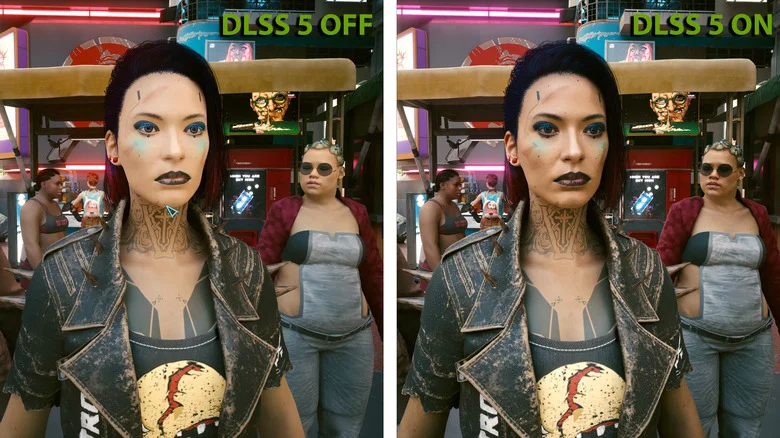
Much of the backlash to DLSS 5 centers on its effect on character appearance. Critics argue that the technology can make characters look as if they’ve been run through a beauty filter, replacing choices made by the game’s artists with NVIDIA’s Neural Rendering. That concern grows when a lighting change affects recognizable characters or shifts a scene’s intended mood.
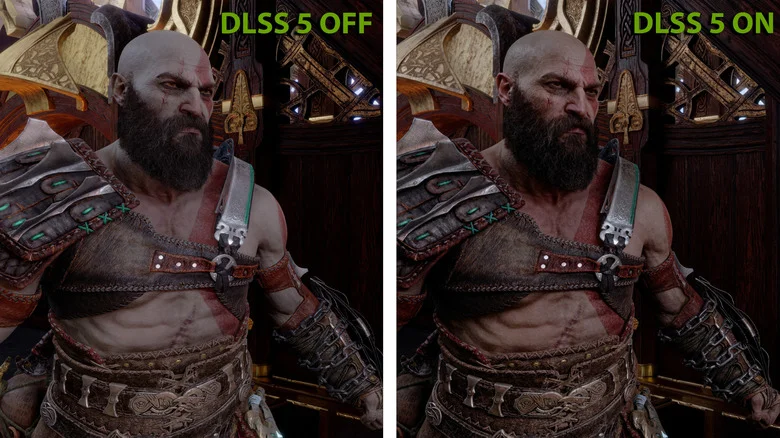
My own experience points to a more mixed verdict. In Cyberpunk 2077, Control, and the remakes of Resident Evil 2 and Resident Evil 3, I preferred the appearance with DLSS 5 enabled. Its most noticeable effects showed up on the faces of Jesse Faden, Leon and Claire, and Jill Valentine. The changes to environments were less striking in my testing: shadows looked somewhat deeper, while broader shifts in scenery remained subtle.
That distinction suggests where the effect makes the most sense. In a game that often puts its protagonist’s face in view, a change to character lighting may be visible enough to justify the cost. In a game where the environment is the main attraction, smaller scene changes may be harder to defend against the performance hit. There’s no universal answer; the result depends on both the title and the player’s preference.
Frame rates remain the main constraint
DLSS 5’s performance cost is the practical limit for anyone considering it. Early third-party implementations running through ReShade commonly cut frame rates by 30 to 60 percent. A later update improved results in NBA 2K27, where performance reportedly fell by about 25 percent at 1440p, according to PC Gamer.
After installing the update through an NVIDIA app beta driver, I saw gains in several games. In Control at 4K with maximum settings, performance rose from around 80 frames per second with DLSS 5 enabled to nearly 100. On an RTX 5090, the recent remaster of Metal Gear Solid 4 moved from below 55 FPS before the update to an average of about 70 FPS afterward. Without DLSS 5, both games ran comfortably above 120 FPS.
Those numbers show why the update doesn’t erase the tradeoff. Even after performance improvements, Neural Rendering can consume a large share of a high-end GPU’s capacity. The source’s practical recommendation is to consider an RTX 5070 or Radeon RX 9070 at minimum before enabling it. For Remix users, the useful takeaway is to treat DLSS 5 as an optional visual mod: try it where character lighting adds something you value, and judge the result against the frame rate you give up.