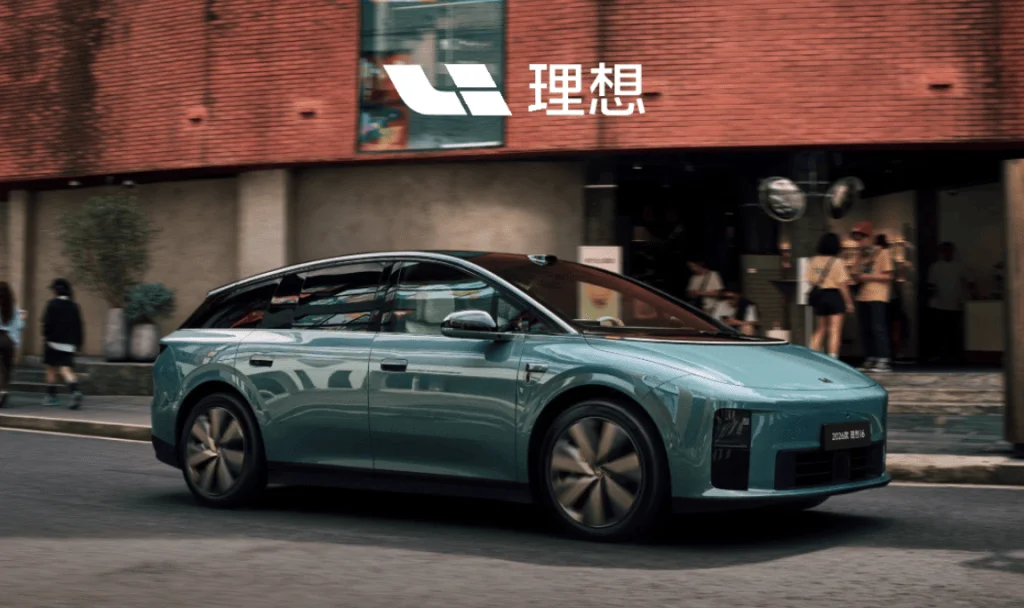
Li Auto’s 2026 i6 makes its case in China’s crowded electric SUV market through a broad set of upgrades at the same starting price: RMB 249,800 ($37,500). The annual refresh adds range, cockpit computing, driver-assistance hardware and comfort features, building on the five-seat model rather than changing its basic shape. That choice keeps the pitch familiar: more equipment and capability in a package buyers already understand. The harder question is whether those additions matter once the car leaves the specification sheet.
That approach reflects a tougher buying environment in which electric SUVs around RMB 240,000 to RMB 270,000 ($36,000 to $40,500) are expected to deliver on more than sticker price. At this level, buyers can weigh driving range, cabin utility, software and charging convenience together, and a strong figure in one category may not make up for a weak showing in another. The i6’s challenge is to turn a longer equipment list into a better ownership experience without pushing up its entry price. This is more significant than it looks: holding the starting price makes the upgrade story easy to understand, while leaving execution to prove its value.
More range, with real-world limits
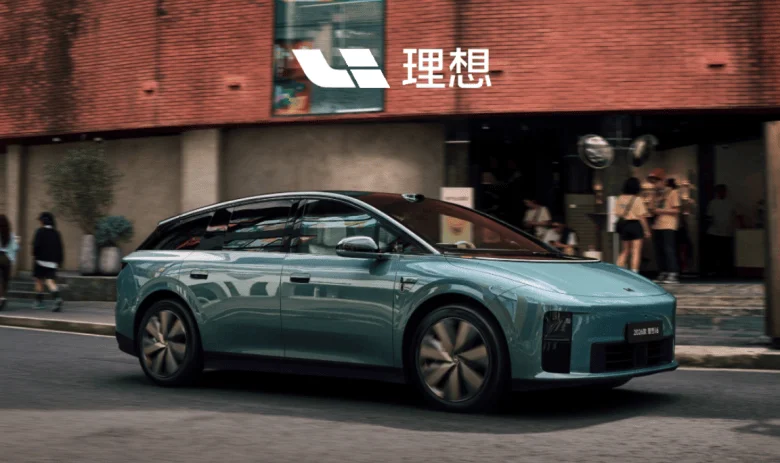
Every 2026 i6 gets a 96 kWh Lishan 5C ultra-fast-charging lithium iron phosphate battery. Li Auto raises the rear-wheel-drive model’s CLTC range from 720 km to 780 km; the all-wheel-drive version is rated for 710 km. These are official test-cycle figures, useful for comparing versions under a common measure, but they aren’t a promise of the distance every owner will cover between charges. Speed, temperature, traffic and cabin climate can all change consumption in ordinary driving.
A company pre-launch drive around Taihu Lake offers one early data point beyond the official ratings. The rear-wheel-drive i6 covered 811.4 km with four adults aboard, about 50 kg of equipment and the air conditioning running throughout. Li Auto reported average consumption of roughly 11.8 kWh per 100 km, or 104% of the model’s CLTC-rated range. The result is notable because it gives some detail about the conditions and load, rather than presenting a range number alone. It remains a company-run demonstration, though, and a single route can’t stand in for a broad set of independent journeys.
That result suggests the battery, motor and control systems can work efficiently in the conditions tested. But the route mainly used urban and nearby roads, so it doesn’t establish what drivers should expect on motorways or in cold weather. Sustained high speeds and low temperatures can affect the range available from electric vehicles, which is why one favorable drive should be read as an example, not a guarantee. For owners, the useful picture will also include local charging access and how quickly the vehicle can replenish its battery on longer trips. A large battery helps only when the route and charging network fit the driver’s habits.
Computing hardware meets daily use
The cabin adds a Qualcomm Snapdragon 8797 cockpit chip, Li Auto’s self-developed Mach M100 driver-assistance chip and a 29-inch, 6K panoramic display. The company says it has also tuned driver assistance for complicated traffic and parking scenarios. The hardware gives Li Auto more computing capacity to build on, but that alone says little about how the functions will behave in the situations drivers encounter every day. Display size and resolution are visible selling points; the quality of the interface and its response to routine tasks will matter just as much over time.
There’s a meaningful qualification: the dual-Mach M100 configuration is an optional upgrade. Buyers should check which hardware comes with each trim, since the standard and higher-end versions don’t offer identical capabilities. Chip specifications tell only part of the story, too. Recognition in messy traffic, sound decisions and useful software updates will determine whether the system earns drivers’ trust. If you’re working in this space, that distinction is familiar: component capacity can support a better system, but it can’t substitute for reliable performance and clear limits in actual use.
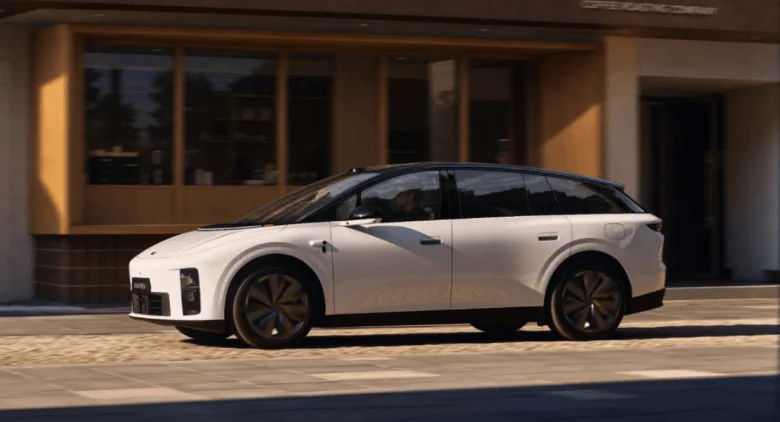
The rest of the refresh focuses on family use. Dual zero-gravity front seats, a powered front trunk and ADB matrix headlights join a cabin built around the existing 3,000 mm wheelbase and five-seat layout. Li Auto has kept the i6’s emphasis on interior room while adding features aimed at everyday convenience and comfort. Those additions may be easier to appreciate than a processor name: storage access, seating comfort and lighting affect ordinary trips directly. Still, equipment matters most when it’s available in the version a buyer can actually select.
Value depends on execution
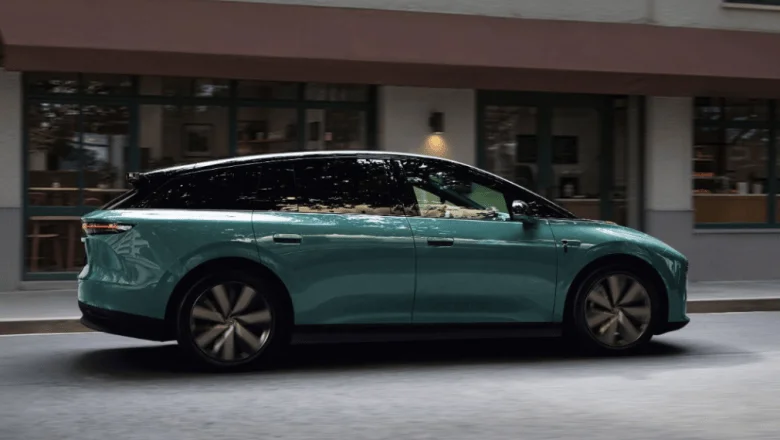
Holding the starting price while expanding the standard offering could make the i6 easier to compare with rivals. It also puts pressure on Li Auto to manage the cost of added hardware. The company’s ability to sustain that package will depend in part on production scale and supply chain efficiency. That’s a real constraint for any manufacturer adding costly components without raising its entry price: a launch offer has to be repeatable across production and trim availability to shape a buyer’s experience. The headline price is a starting point for comparison, while the equipment mix and final transaction price will fill in the details.
The i6 already has a foothold in the market, but the refresh’s staying power will show up in order conversions, transaction prices, deliveries and owner feedback. Those measures will reveal more than a launch specification sheet about whether the extra range and features are translating into lasting demand. A busy launch period can attract attention; sustained interest depends on whether the product meets expectations after delivery. And this is the part most people overlook: a feature list can help win the first comparison, but ownership impressions determine whether the improvements feel worth paying for.
For families who mostly commute, can charge reliably and value cabin space, the updated i6 looks like a targeted refinement. Drivers who regularly cover long distances or have specific expectations for motorway range and driver assistance will want to judge the vehicle against their own routes and the equipment included in their chosen trim. Here’s the thing: the refresh makes a clear promise on price and adds useful-looking hardware, but the available evidence leaves key questions about performance beyond the company’s test conditions. Li Auto’s next test is whether the upgrades deliver in daily use at scale. The spec sheet is only the opening argument.
What the refresh needs to prove
The 2026 i6’s appeal will depend on how well its different upgrades work together. Range has practical value when it reduces charging friction on a driver’s usual routes; cockpit computing has value when controls and assistance respond predictably; comfort features matter when passengers notice them over repeated trips. A package can look generous on paper yet feel uneven if an optional system carries the most compelling capability or if everyday software falls short of its hardware promise.
That said, Li Auto has kept the product’s basic identity intact while updating areas buyers can compare directly. The strategy is legible, and the unchanged starting price gives the company a strong point to defend. What this means for you depends on how you drive: local charging, motorway use, trim pricing and the exact driver-assistance equipment should shape the decision. For now, the i6 is a measured update with a substantial list of changes—and the proof will come from owners’ experience, not the launch claims.