November 2026 Skywatching: Three Meteor Showers, Four Planets and a Supermoon
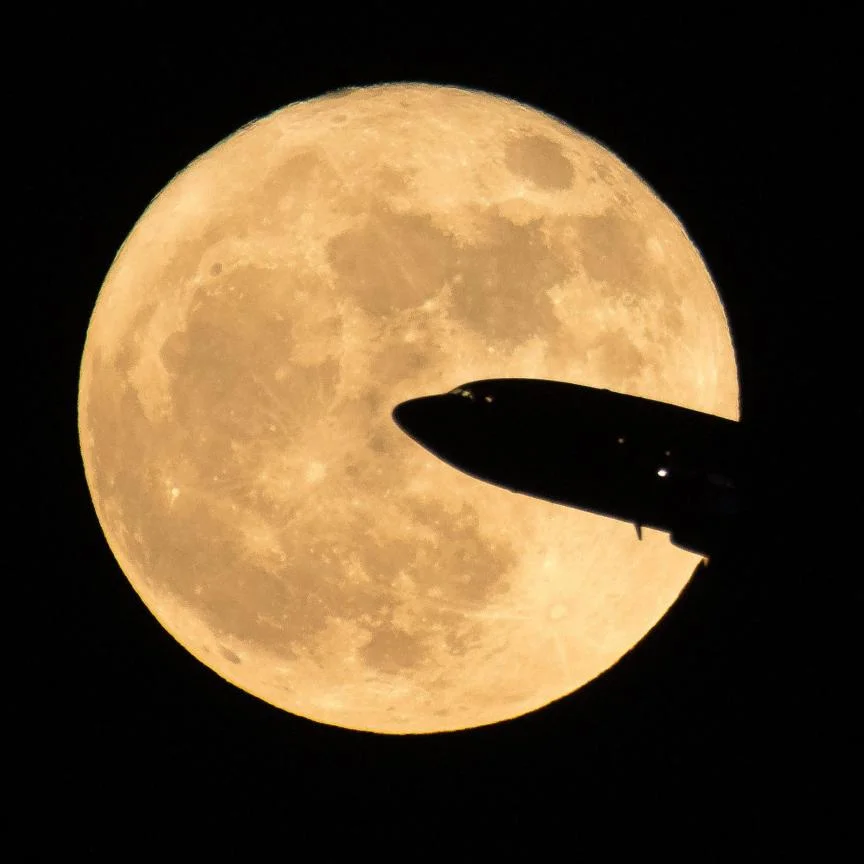
November’s appeal is its steady run of chances to look up. Three meteor showers, a four-planet alignment and a full Moon give the month plenty to watch, even without one headline-grabbing celestial event. The Moon is expected to appear as a supermoon, brightening evenings for about a week around Thanksgiving.
The timing helps, too. November is the last full month of fall, and daylight saving time ends Nov. 1, bringing earlier sunsets. That gives skywatchers more evening hours to catch sights without sacrificing much sleep. The calendar stretches from Nov. 2 through Nov. 30, with a sequence of smaller events that adds up to a busy month for amateur astronomers.
Planet watching through the month
All the planets will be visible at some point in November, though the best viewing window depends on the planet and date. Mercury and Venus take more effort because they stay close to the Sun. If you’re planning a session, don’t assume every planet will be equally easy to find.
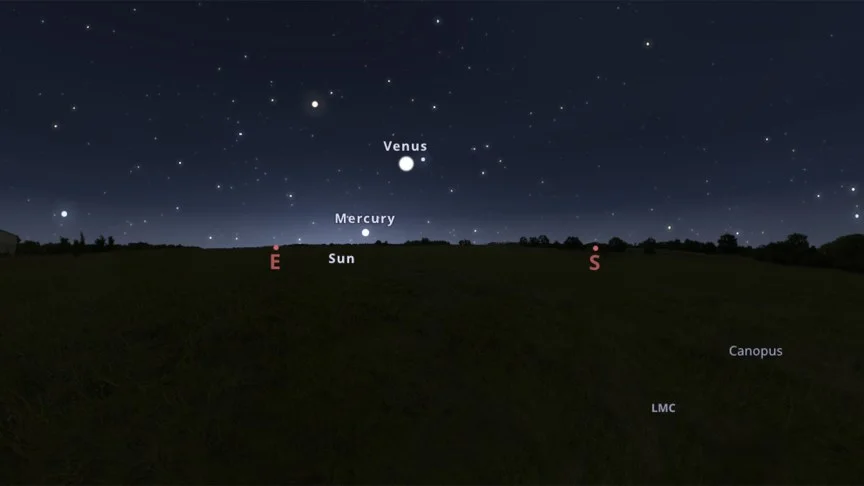
Mercury: After reaching eastern elongation in October, Mercury begins November too close to the Sun for safe viewing. Its position improves after it reaches western elongation on Nov. 20: look shortly before sunrise for the rest of the month.
Venus: Venus starts November just ahead of the Sun at dawn, so it may be visible in the morning. As it moves farther from the Sun over the month, it should become easier—and safer—to spot toward the end.
Mars: Mars stays high in the sky throughout November. It rises in the east shortly after midnight early in the month, then appears earlier each night. Early morning is the best bet at first; by month’s end, try around midnight.
The smaller events may not draw the attention of a major eclipse or other rare spectacle. Still, the combination of longer evenings and multiple viewing opportunities makes November a useful month to get outside and watch the sky.
Plan around the sky, not just the calendar
November’s best viewing opportunities come with tradeoffs: the Taurids and Leonids reward patience with occasional bright fireballs, while the new moon on Nov. 9 gives fainter objects a darker backdrop. Late in the month, a supermoon brightens the sky just as the planets and constellations offer plenty to find. If you’re choosing one night for deep-sky viewing, the dark moon is the clear pick; if you want an easy naked-eye spectacle, look for the planetary gatherings.
Jupiter and Mars stay close throughout November, with Regulus forming a naked-eye trio. Saturn is visible all month, especially just after dark, though binoculars or a telescope are needed to make out its rings. Neptune tracks near Saturn and also calls for optical help. Uranus is up through the night; it reaches opposition on Nov. 25, when it is opposite the sun in the sky and especially well placed for viewing. Binoculars or a telescope will help there, too.
Nov. 2–3: The Moon joins Mars, Jupiter and Regulus
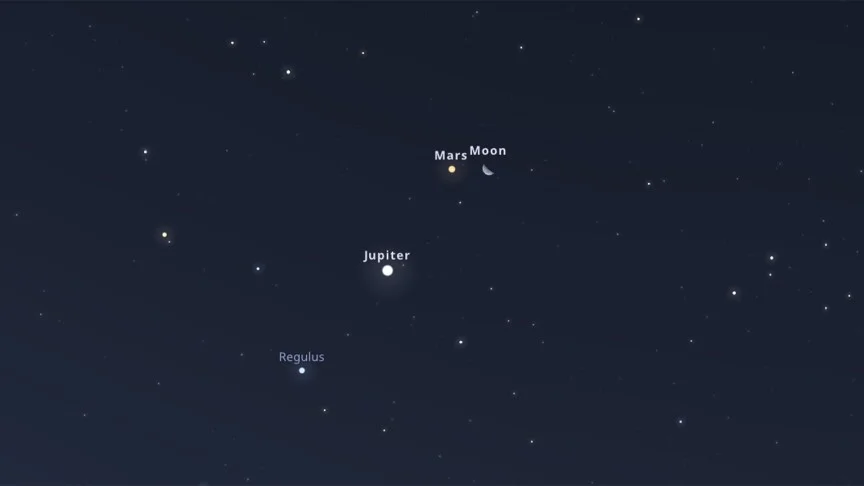
The month opens with the Moon near Mars and Jupiter. On Nov. 2, it sits closest to Mars, and the three will travel across the sky together overnight. Regulus is nearby as well, bringing the naked-eye lineup to four.
On Nov. 3, the Moon shifts to the far side of Regulus, but the group remains easy to pick out. Mars, Jupiter and Regulus draw closer to one another as the month goes on; the Moon heads away after Nov. 3.
Nov. 4–5: Southern Taurids favor quality over quantity
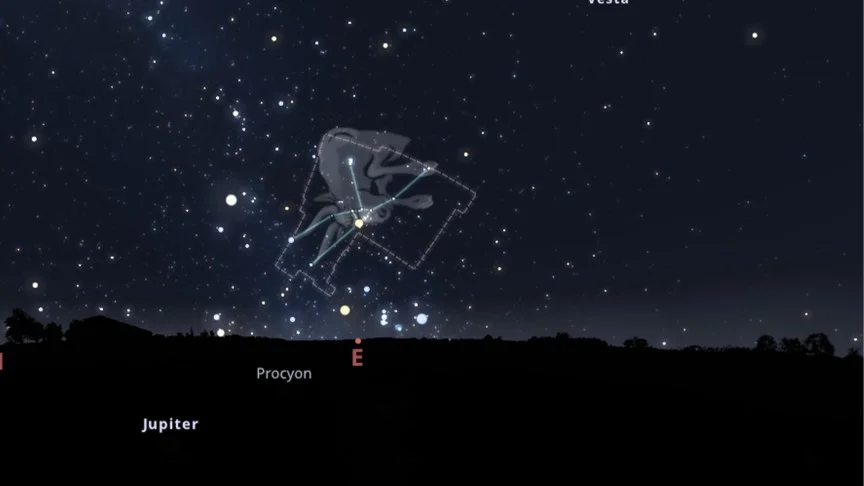
The Southern Taurids run from Sept. 20 through Nov. 20, with their peak arriving overnight on Nov. 4–5. Expect only about five meteors an hour on average. That’s a modest rate, but the shower is known for bright fireballs, so a single striking meteor may be the night’s highlight.
The Moon will be 22% illuminated, a level the American Meteor Society describes as “favorable conditions.” Find a dark site away from artificial lights, dress for the weather, and look toward Taurus. The constellation rises in the east after sunset and crosses the sky toward the western horizon before dawn.
Nov. 9: A dark sky and a reason to revisit Carl Sagan
A full moon gets more attention, but the new moon is often the better event for anyone trying to see dim stars and planets. Moonlight can wash out targets such as Uranus and Neptune; on Nov. 9, the Moon’s absence makes this the darkest night of the month and a strong choice for stargazing or night-sky photography.
It’s also Carl Sagan Day, an unofficial tribute to the astronomer. If clouds or cold keep you indoors, Sagan’s Cosmos is available free through the Internet Archive, as well as in user uploads on YouTube.
Nov. 14–25: Four planets gather before sunrise
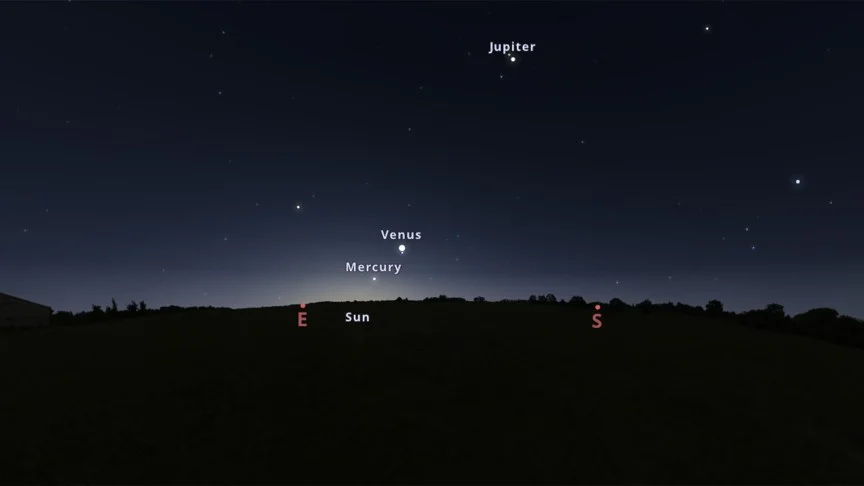
Mercury, Venus, Mars and Jupiter are expected to form a visible line before sunrise, beginning around Nov. 14 and lasting to roughly Nov. 25, depending on where you are. Mars and Jupiter should appear especially close. The catch is timing: Mercury rises only about 30 minutes before the Sun, leaving a narrow window to spot it low in the eastern sky.
Nov. 20 is the strongest date to try, when Mercury reaches western elongation, its greatest apparent distance from the Sun. Uranus will also be visible around then, but it sits elsewhere in the sky; Saturn and Neptune are below the horizon. So the alignment itself is a four-planet event, even though Uranus may bring the night’s visible planet count to five.
Nov. 11–12: Northern Taurids follow a week later
The Northern Taurids peak on the evening of Nov. 11 and the morning of Nov. 12, after running from Oct. 20 to Dec. 10. Their setup resembles the Southern Taurids: Taurus is the apparent source, the expected rate is about five meteors an hour under ideal conditions, and bright fireballs are possible.
The Moon will be only 5% illuminated on Nov. 11, giving this shower darker skies than the Southern Taurids get at their peak. Both streams come from comet 2P/Encke. If you miss the first Taurid peak, the second offers a similar show with better lunar conditions.
Nov. 16–17: Leonids bring the higher hourly rate
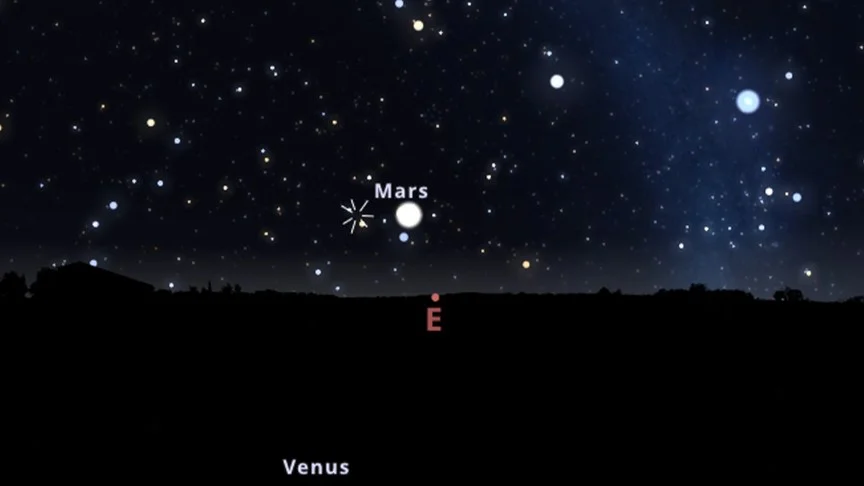
The Leonids are November’s most active annual shower, running from Nov. 6 through Nov. 30 and peaking overnight on Nov. 16–17. Their radiant lies in Leo, near Mars and Jupiter, so the region is straightforward to locate.
The inconvenient part: Leo doesn’t rise until around midnight. Under optimal conditions, the Leonids could produce roughly 15 meteors per hour, but a 41%-lit Moon will hide some of the fainter ones. Past Leonid storms have delivered hundreds of meteors an hour. That kind of burst isn’t predicted for 2026, though it remains possible; prospects may improve after the comet returns around the Sun in 2031.
Nov. 23–24: The Beaver Moon starts a supermoon run
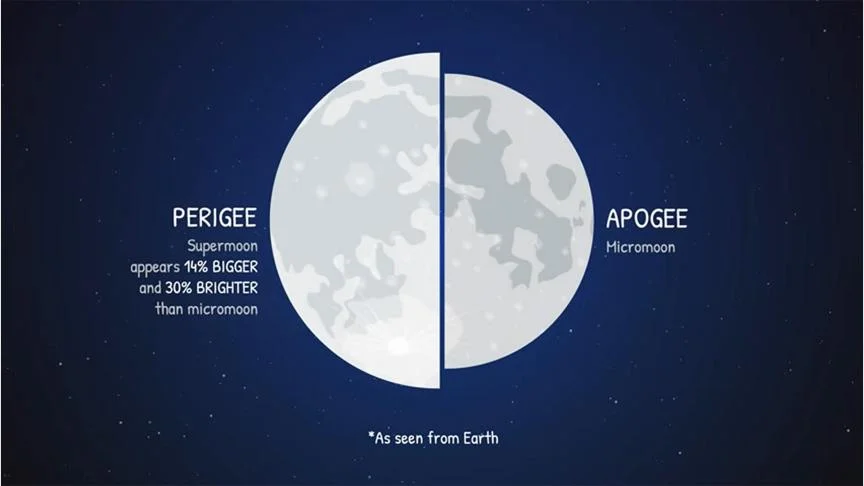
A micro moon is noticeably smaller and less bright than a supermoon or even a regular full moon.
NASA/JPL-CaltechNovember’s Beaver Moon is the first in a run of four consecutive supermoons spanning the end of 2026 and the start of 2027. A supermoon occurs when the Moon is within 90% of perigee, its closest point to Earth. It can appear about 7% larger than an average full moon and 14% larger than a minimoon, and it looks brighter than either.
The Old Farmer’s Almanac puts peak illumination at 9:53 a.m. ET on Nov. 24, after sunrise for most of the United States. For a nighttime view, try Nov. 23 or the evening of Nov. 24. The Moon stays more than 90% full from Nov. 22 through Nov. 27, which makes those nights poor choices for faint-object viewing because of the extra moonlight.
Nov. 30: The Moon returns to the planetary group
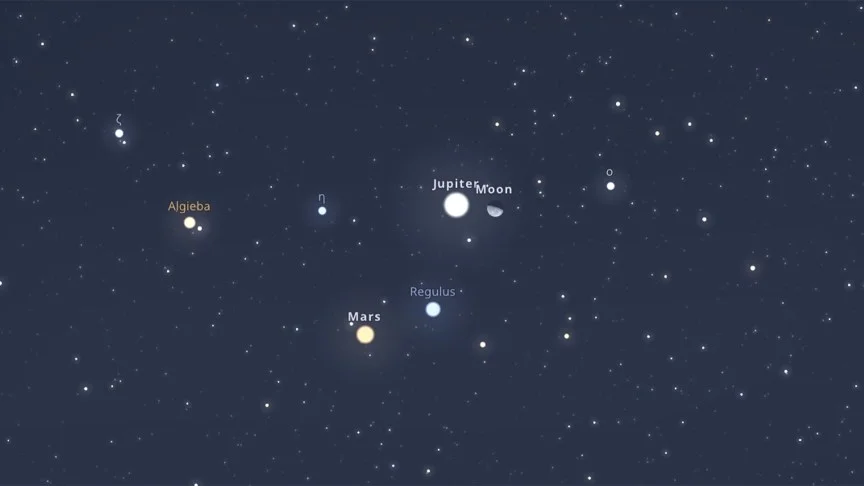
The same quartet that opens the month returns on Nov. 30: the Moon, Mars, Jupiter and Regulus clustered together in the night sky. This time, they’ll be closer to one another, making for the tighter grouping. The Moon moves on after that single night.
All four are visible without optical aid, and the still-mostly-full Moon should make the group easy to find. Look carefully and you may also pick out Algieba, Leo’s second-brightest star after Regulus, with the naked eye.
Constellations to look for all month
November’s sky marks the seasonal handoff from summer toward winter. Taurus, Pegasus, Capricornus, Aquila, Pisces and Aries are among the prominent constellations. The Big Dipper and Little Dipper remain visible, though observers farther south may struggle to see them. A sky map or Stellarium can help identify each pattern.
For smaller targets, try the Pleiades, also called the Seven Sisters, the Great Square of Pegasus and the Circlet of Pisces. The Summer Triangle remains in view, while the Winter Triangle climbs above the horizon earlier in the evening as the season changes.