Kubernetes’ AI Conformance effort has moved from a temporary Working Group into a permanent SIG Architecture subproject, giving the project an ongoing place to maintain shared expectations for AI infrastructure. The shift follows a rapid rise in certified platforms, from 18 to 31 within a few months, and reflects a practical concern: AI workloads are spreading across Kubernetes, while platform implementations still differ in ways that can make deployments harder to move and operate consistently.
The work began with a proposal from Janet Kuo of Google, a Kubernetes maintainer since 2015, and grew through collaboration with Yuan Tang of TensorScale AI and other community members. Their aim was to define a vendor-neutral baseline for running AI workloads on Kubernetes, while keeping the standards focused on infrastructure capabilities rather than tying them to particular frameworks or model servers.
A shared baseline for AI infrastructure
Kuo says she proposed the program after seeing organizations adopt Kubernetes for AI while vendors built their infrastructure stacks in different ways. That divergence raised a risk of ecosystem fragmentation. She brought the initial Kubernetes AI Conformance Proposal to CNCF leadership, then worked with fellow co-chairs Yuan Tang, Rita Zhang, and Mario Fahlandt to build community support.
Tang’s work with WG Serving brought another part of the picture into the effort. Inference-related projects, including the Gateway AI Inference Extension, were gaining traction, and community members wanted inference requirements represented in Kubernetes AI Conformance as well.
That scope matters because AI workloads place varied demands on infrastructure. Distributed training, large-scale inference, GPU-intensive pipelines, and agentic systems can depend on accelerator access, networking, scheduling, and workload orchestration. When vendors implement those capabilities differently, teams may face portability problems and inconsistent operations across Kubernetes platforms.
The Working Group set out to bring participants around vendor-neutral infrastructure standards, interoperable platforms, predictable workload behavior, and shared requirements for deployments at scale. The resulting program established formal Kubernetes AI Requirements, or KARs, and created a certification process for platforms that meet them.
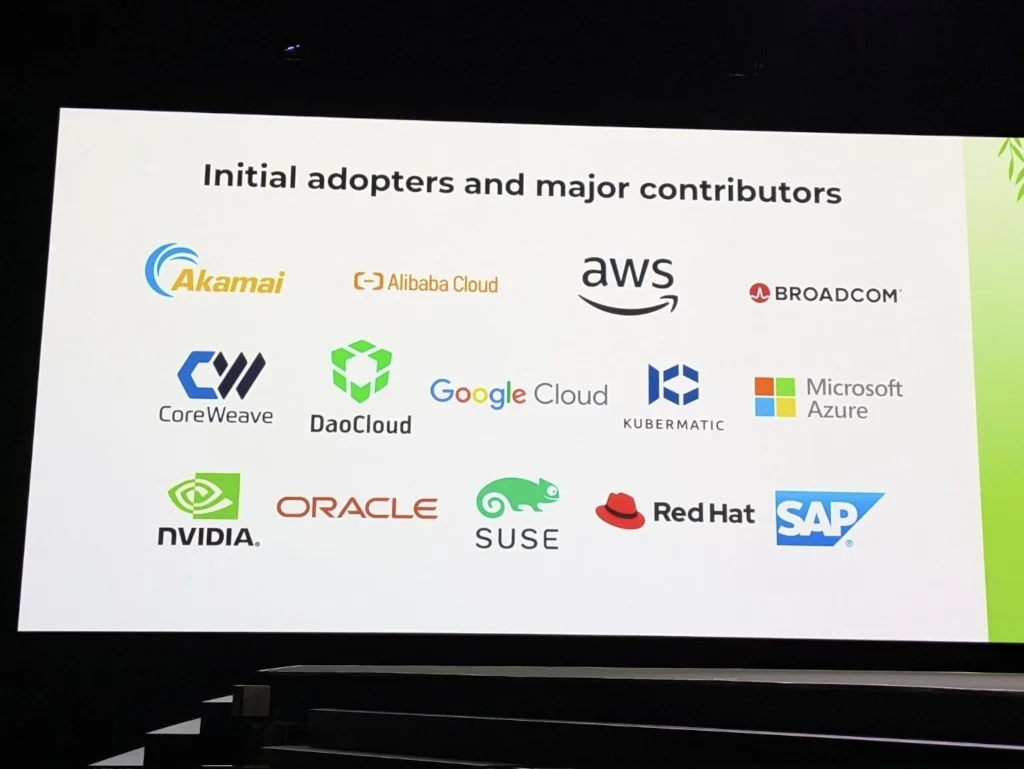
The group’s reported progress includes participation from major ecosystem companies, alignment around Kubernetes primitives needed by AI workloads, and a roadmap for automated conformance checks. The count of certified platforms rose from 18 to 31 in a few months. For the organizers, that uptake indicates that the ecosystem sees value in a common baseline, even as vendors continue to build differentiated platforms.
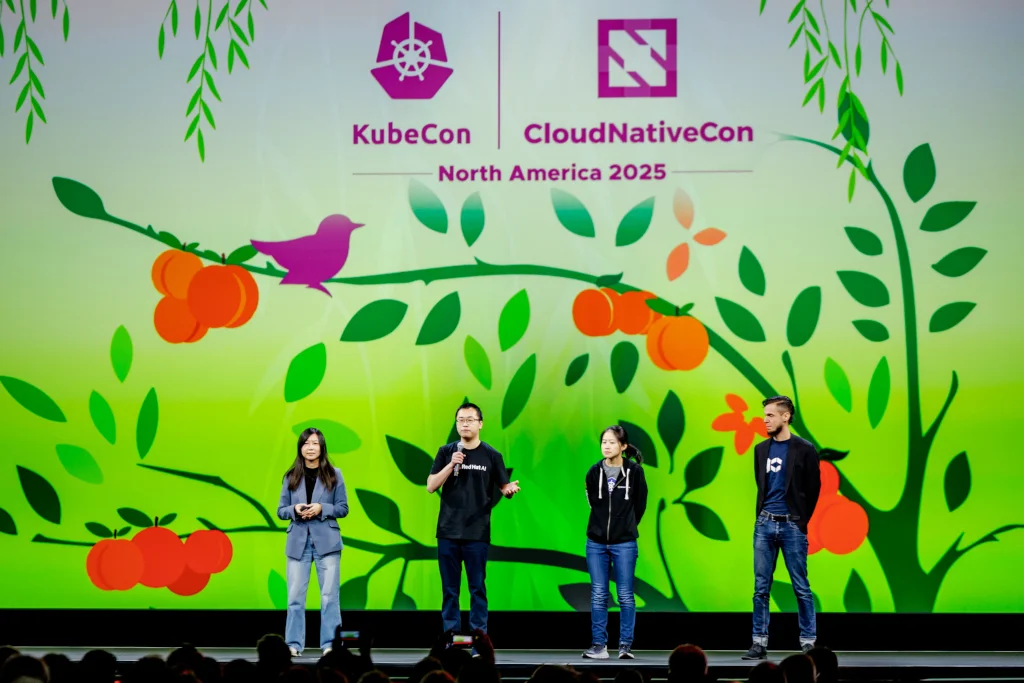
The program also featured at KubeCon + CloudNativeCon. Kuo and Tang see that visibility as evidence of AI’s shift from a specialized workload, often associated with ML platforms and GPU research environments, to a mainstream infrastructure requirement. In their view, Kubernetes must account for AI capabilities such as accelerator scheduling, high-performance networking, workload-aware orchestration, and low-latency inference if it is to serve as a consistent control plane across cloud, on-premises, and edge environments.
Why the work now sits in SIG Architecture
Kubernetes Working Groups are temporary by design. The AI Conformance Working Group had a defined job: publish the initial requirements and get certification underway. Once it reached those milestones, the group was archived, and the work became a permanent subproject under SIG Architecture.
The placement connects AI requirements to Kubernetes’ broader conformance and API design work. Kuo and Tang argue that AI is now a continuing part of the platform’s workload mix, so the standards need a home that can keep them aligned with Kubernetes architecture as it changes. The subproject’s remit is to keep requirements current, vendor-neutral, and useful as AI infrastructure develops. Where the community lacks an established pattern, its members can help develop one.
That mandate has to account for a mismatch in pace. AI infrastructure evolves quickly; Kubernetes APIs are meant to remain stable over time. The conformance program addresses this through staged requirements. New concepts can first appear as recommended SHOULD requirements, giving platform builders room to test approaches and establish practices. When the relevant APIs have stabilized and adoption has grown, requirements can graduate to mandatory MUST status.
The program also draws a boundary around what it tests. It focuses on infrastructure capabilities, such as accelerator support through Dynamic Resource Allocation (DRA), instead of requiring a specific AI framework or model server. That division lets the underlying platform provide consistent capabilities while tools above it continue to change.
Architecture work beyond certification
Moving into SIG Architecture could bring more attention to how AI needs fit with Kubernetes’ core design. Kuo and Tang point to DRA as an example of the coordination involved: substantial changes that touch several parts of Kubernetes and span multiple SIGs often benefit from a Working Group, where specialists can develop shared understanding and agreement.
Now that the initial Working Group has completed its assignment, the subproject can continue examining how core primitives such as scheduling and resource allocation support AI workloads. The emphasis is on integrating those needs into Kubernetes architecture, rather than treating AI as a separate layer bolted onto the platform. Conformance remains the mechanism for expressing what platforms should support; architectural work can help those expectations track changes in Kubernetes itself.
Ways to contribute
Contributors can start at the kubernetes-sigs/ai-conformance repository and attend the project’s SIG Architecture meetings. People interested in shaping requirements can review proposals or submit one using the KAR template. Engineers can contribute to the automated Go test suites in the test/ directory.
Vendors looking to certify a Kubernetes platform can find program details at cncf/k8s-ai-conformance. The program was announced during the keynote at KubeCon North America 2025. By the update keynote at KubeCon Europe 2026, certified platforms had grown from 18 to 31.
That increase gives the new SIG Architecture subproject a concrete starting point: maintain a shared set of infrastructure expectations while Kubernetes and AI tooling continue to evolve. The next test will be whether those requirements can keep platforms interoperable without freezing the pace of experimentation.