Amazon’s 2026 Echo lineup pushes Alexa into more parts of the home, combining device control, sleep sensing and photo display with familiar speaker and screen features. The clearest change is the Echo Dot’s built-in smart home hub, while the new Alexa Photo Frame gives Amazon Photos a dedicated place in the room. Taken together, the products suggest Amazon wants Alexa to be present in more household routines, not just available when someone asks a question. That’s a broader ambition than a speaker refresh, though the practical value will depend on how well each new feature fits into daily life.
Echo speakers add home control and monitoring
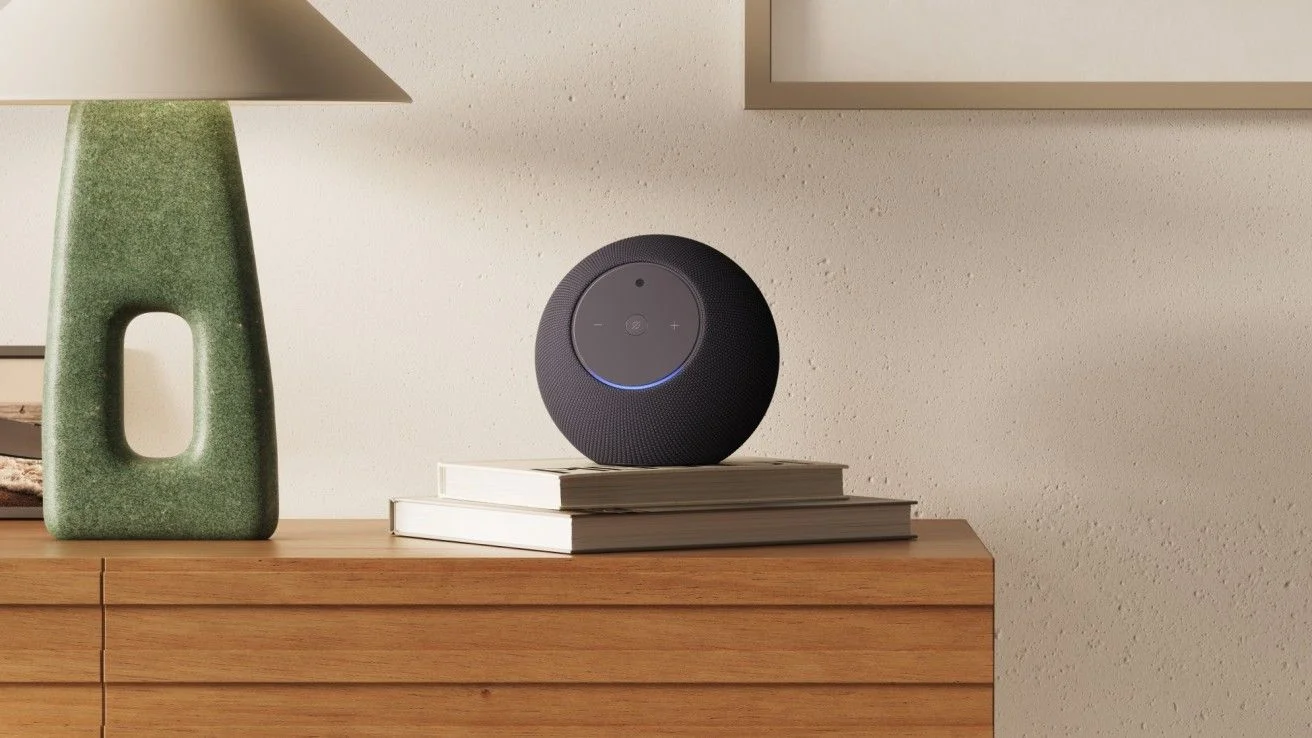
Announced Oct. 29, the new Echo Dot includes a hub that connects Alexa to thousands of compatible smart home devices, including lights and locks. That puts basic device control inside a speaker buyers might already consider for music or voice commands, potentially reducing the need for a separate hub in some homes. Compatibility still matters: a large number of supported devices doesn’t guarantee that every household’s existing gear will work as expected, so buyers will want to check the products they already own.
Amazon has also added an AI Accelerator, which it says helps Alexa respond quickly. The company hasn’t provided a response time in the information here, so the claim is best read as a promise of a snappier experience rather than a measurable performance comparison. For audio, Amazon claims the speaker delivers 50% more bass and clearer vocals. Those are meaningful aims for a compact speaker, but listening quality is subjective and depends on the room, placement and what you play. The Echo Dot starts at $99; the Kids version starts at $109 and includes a year of Amazon Plus.
The Echo Studio keeps a design close to its 2025 counterpart, but adds a House Camera so owners can check in on their home through the speaker. Amazon says the camera gives Alexa a better understanding of what’s happening around it, extending the device’s role from audio playback to awareness of its surroundings. That may make the speaker more useful for household monitoring, but it also raises a straightforward question: how comfortable are people with a camera built into a device that lives in a shared room? (And this is the part most people overlook.) The value of the feature depends as much on where owners place the Studio and how they manage its camera as on what Alexa can recognize.
The speaker also features a high-excursion woofer, Dolby Atmos and Advanced Room Adaptation. These features point to Amazon’s effort to make the Studio serve both as a more capable sound system and as a connected home device. It starts at $249 and ships Oct. 29. Fire TV support for video calling is planned in a future update, which means that part of the pitch depends on software arriving after the hardware does. That distinction matters to buyers deciding what the device can do on day one.
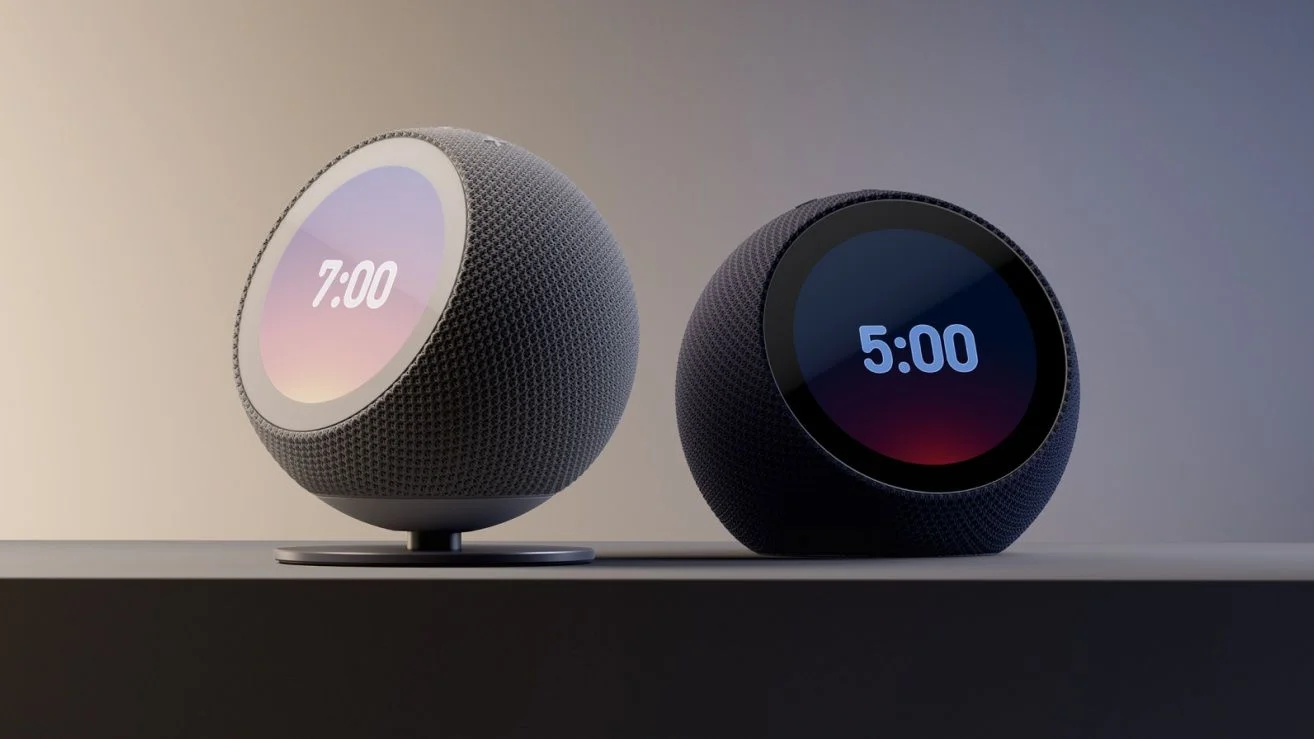
Echo Time adds Omnisense sleep sensing. According to Amazon, it can detect lighter sleep and wake users between 10 and 60 minutes before their scheduled alarm. The idea is to make waking less abrupt by responding to a sleep signal, though the description doesn’t explain how reliably the device distinguishes lighter sleep in different rooms or routines. It’s a useful example of Alexa moving into a more personal part of the day, where buyers may care less about a long feature list than whether the timing feels right.
Its digital clock face supports customizable analog and modern themes, giving the device a visible role even when users aren’t interacting with Alexa. The Echo Time starts at $199; the Kids model starts at $209 and includes a year of Kids Plus. For households comparing it with a conventional alarm clock, the added sleep sensing is the main distinction. The question is whether that extra function earns a place on the bedside table.
A thinner screen with more household roles
Amazon describes the Echo Show 16 as its most powerful model. It’s about 40% thinner than its predecessor and has a 16-inch HD display, with a Nanomatte option designed to cut glare from sunlight. The thinner design may make wall placement less imposing, while the glare treatment addresses a practical weakness of screens in bright rooms. Neither detail changes the basic tradeoff: a large display is useful when a household wants information visible at a glance, but it also takes up a prominent spot in the home.
Screen Styles can turn the display into a family or meal planner, and it can also show family photos. Those options make the Show 16 less like a screen reserved for voice commands and more like a shared household surface. That could be convenient when several people need to see the same schedule or plan, although the usefulness will depend on whether the household keeps that information current. A display that’s easy to glance at still needs content people have a reason to check.
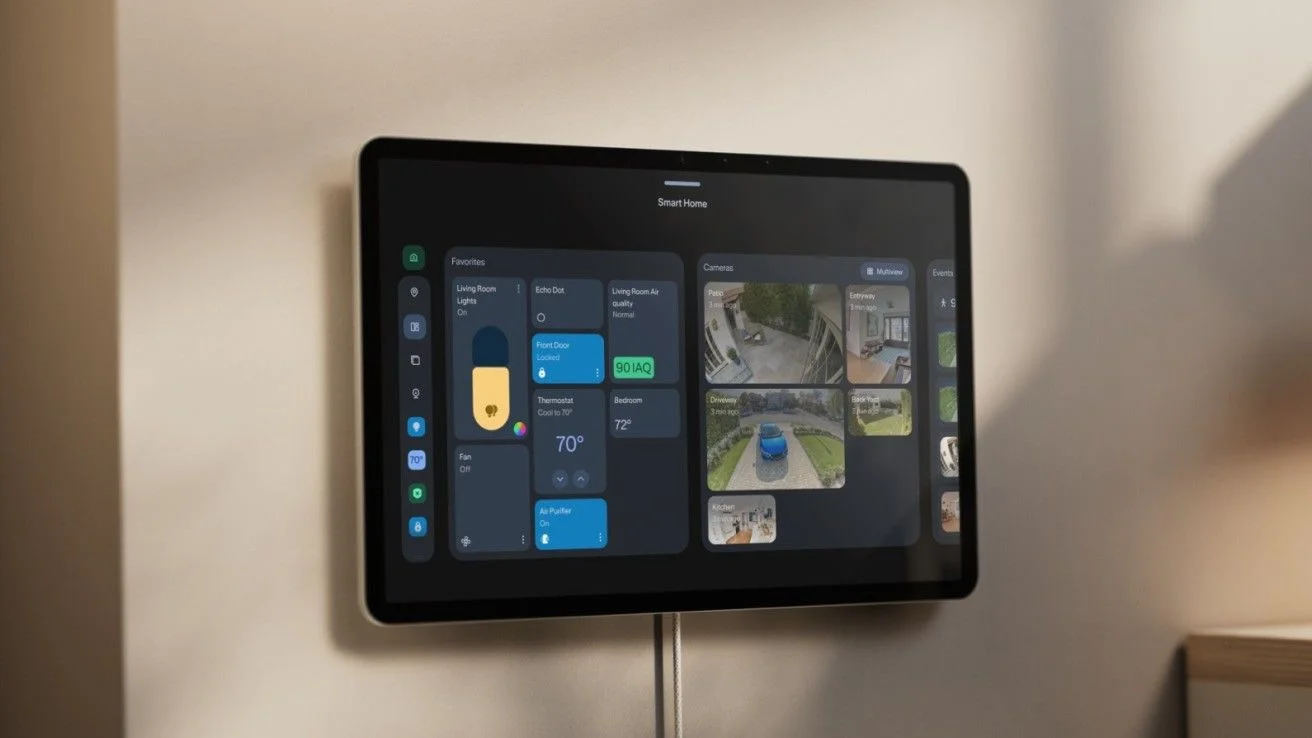
The Show 16 adds an Alexa Home Map dashboard for viewing connected devices around the home. Fire TV is built in, and its camera has a wider field of view and auto-framing. The feature mix is broad: home controls, video entertainment, household information and camera functions all meet on one screen. Here’s the thing: combining those jobs can make a device more valuable, but it can also make the buying decision harder if a household only needs one or two of them.
Pre-orders start at $499.99, or $599 for the Nanomatte version; Amazon says current pre-orders may qualify for $100 off. That’s a substantial purchase for a household screen, so the added roles need to matter beyond the initial setup. If you’re working in this space, the more telling question is whether people keep using the planning and home-control features once the novelty wears off.
Amazon Photos gets a dedicated display

The 10-inch Alexa Photo Frame syncs automatically with an Amazon Photos account, bringing newly taken pictures onto its screen. That gives the photo service a physical presence in the home, where images can be seen without opening an app or asking a screen to display them. Amazon says Alexa can select images where people are smiling and skip screenshots and other content. Those filters address a familiar problem with automated photo displays: a camera roll contains plenty of pictures that aren’t suitable for a prominent frame.
The black model costs $199.99, while Birch and Walnut wood finishes start at $229. The separate frame makes sense for people who want photos on display but don’t need a larger Echo Show for planning, video or home controls. It also means paying for a dedicated screen whose main purpose is narrower. The numbers here are underwhelming if a buyer already has a display they’re happy using for photos; the case is stronger for someone who wants an always-visible frame and already uses Amazon Photos.
What the expanded lineup signals
Together, the new devices extend Alexa from voice control into home monitoring, sleep routines and personal photo display. Amazon is giving buyers more ways to put its assistant in places where people already spend time: near a bedside alarm, beside a living-room speaker, or on a kitchen or family-room screen. This is more significant than it looks, because each placement gives Alexa a different job and asks the household to trust another connected device with part of its routine.
That said, the feature count alone doesn’t settle the buying question. A hub is useful when it supports the devices a household owns; sleep sensing matters if its wake timing proves helpful; and a photo frame earns its space when people want pictures visible every day. What this means for you is simple: match the device to the routine you want it to improve, then weigh that benefit against the price and the additional camera or screen in the room.
The practical question for buyers is how much of that functionality they want in a dedicated device versus the Echo screens and speakers they already use. Amazon’s lineup makes Alexa available in more formats, but it leaves households to decide whether those roles belong in separate products or in the devices already on their shelves. More places for Alexa. Whether that adds lasting value will depend on use, not the launch feature list.