Lenovo Googlebook 15 review: A strong laptop built around an unfinished idea
Lenovo has made the Googlebook 15 feel like a premium laptop. Google still has work to do on the software that’s meant to set it apart.
By Sam Rutherford · Oct. 30, 2026, 8:00 am EST
Google’s new laptop platform makes a clear promise: bring Android and Chrome OS closer together, then make the result more useful on a laptop. The hardware makes that pitch easy to understand. The software makes it harder to recommend without reservation. This review is based on a six-slide, 2,100-word article published Oct. 30, 2026.
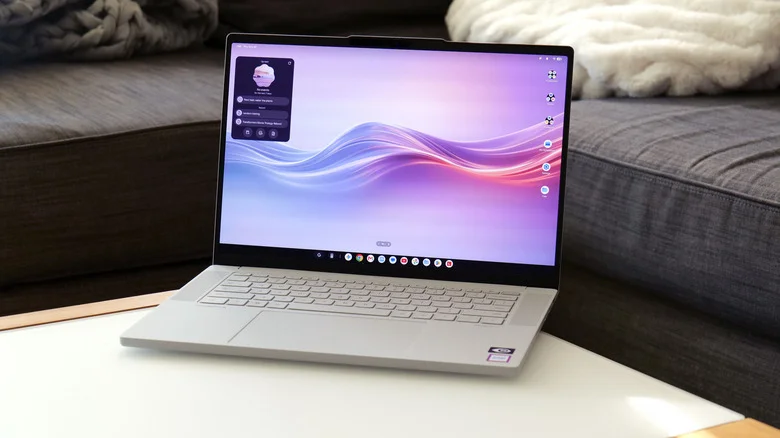
The Lenovo Googlebook 15 costs $1,099 and earns a 7.9 out of 10. Its 15.3-inch OLED screen runs at 120Hz, its design feels unusually polished, and it has enough performance for everyday computing. The more compelling argument is its connection to Android phones: Google’s cross-device tools can make a laptop and phone feel like parts of one system.
That integration isn’t enough to erase the rough edges. Battery life could be better, app compatibility remains uneven, and Googlebook OS still feels constrained beside Windows and macOS. If Android is already central to your daily setup, those compromises may be acceptable. If not, waiting for the platform to mature looks sensible.
Design and display: Lenovo gets the hardware right
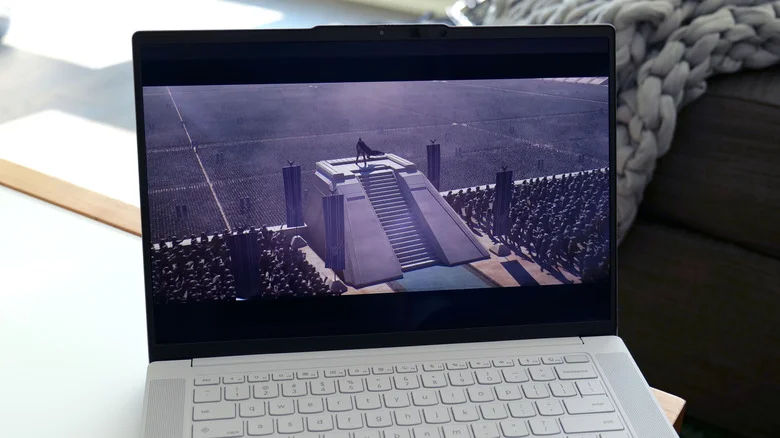
The display is an easy win: a 15.3-inch OLED touchscreen with a 120Hz refresh rate, 500 nits of typical brightness and HDR True Black 1000 certification. It’s vivid and bright, and it fits what you’d hope to get from a laptop at this price.
But the chassis may be the more memorable part. Lenovo combines plastic and carbon fiber with magnesium-aluminum alloy in areas such as the lid, then gives the whole machine a “silk-touch” coating. It feels almost like unglazed porcelain and does a good job hiding fingerprints. Despite its larger screen, the Googlebook 15 weighs 2.85 pounds, compared with 3 pounds for a 14-inch MacBook Pro. Lenovo’s design is good enough to make you wish the company offered a Windows version.
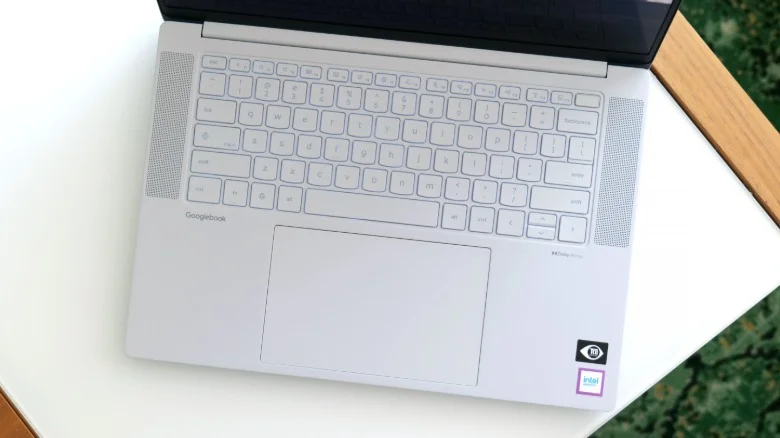
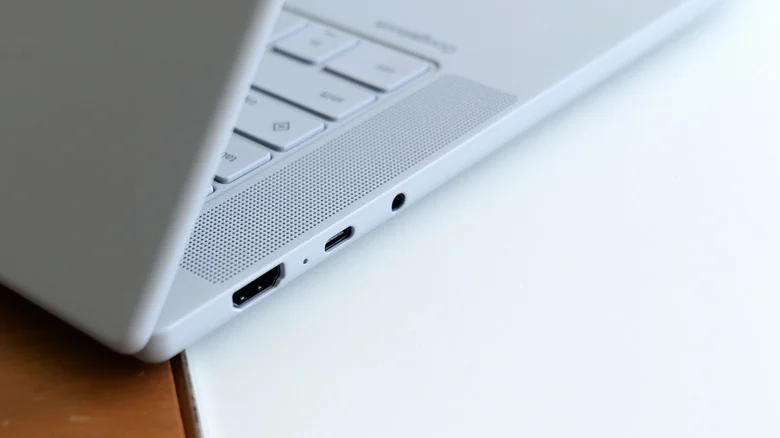
Lenovo has also covered the practical details. The keyboard has a pleasant amount of bounce, and a dedicated Google key makes operating-system shortcuts easier to reach. Below it sits a large haptic touchpad. Two USB-C ports, one USB-A port, HDMI and a 3.5mm audio jack cover the basics, while up-firing quad speakers with Dolby Atmos provide sound. There’s a camera with a physical shutter, a separate fingerprint reader and facial recognition for quick sign-in.
The lid’s lightbar is the most distinctive Googlebook flourish. It glows white during ordinary use, reports charge levels with different colors (red below 20 percent, yellow from 20 to 59 percent, and so on), and runs animations at startup or while you’re talking to Gemini. The idea is less useful in practice: with the lid closed, you usually can’t see the lights while using the laptop. Compared with the Pixel 11 Pro’s HiLight indicator, the Googlebook’s animations may be more visible to someone across the table than to its owner.
Performance: Plenty of power, with software caveats
Google requires Googlebook makers to include at least 16GB of RAM. That’s a useful floor for everyday productivity, especially on a laptop that costs $1,099. Lenovo pairs it with an Intel Core Ultra 5 325 processor and 256GB of base storage, a capable setup for routine work.
Here’s the catch: Googlebook OS encourages you to install phone apps, and the available software doesn’t always make good use of the hardware. Photoshop, for example, comes from the Play Store as a mobile app rather than the full desktop version available on Windows and Mac. Many Android apps are also designed for ARM chips, while this Lenovo uses an x86 processor; that mismatch can mean bugs or choppy performance. The hardware has headroom, but the software doesn’t always know what to do with it.
Benchmarks give the laptop a stronger showing. In Geekbench 7, its multi-core CPU score reached 9,011, ahead of the 7,124 recorded by a midrange Dell XPS 13 with an Intel Core 5 320 chip. For similarly priced PCs, that’s competitive performance, even if some apps don’t make the most of it. For context, the Dell XPS 13 is a useful comparison.
Software: Familiar basics, promising phone links
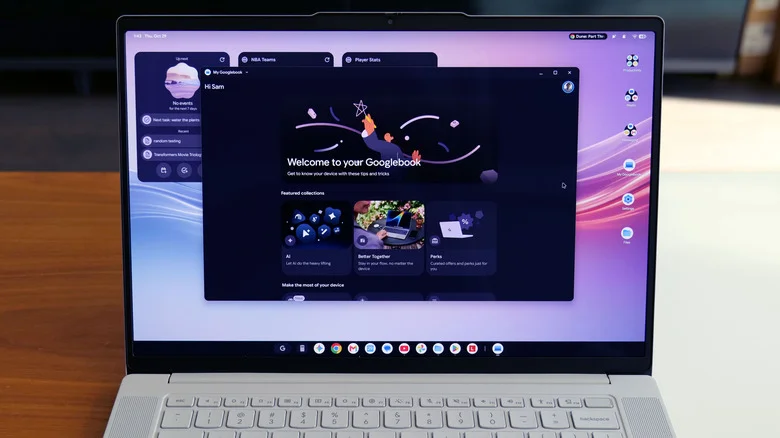
Googlebook OS takes familiar cues from both Android and Chromebooks. Notifications and quick settings sit in the top-right corner; a taskbar spans the bottom, with an app drawer nearby. Split-screen multitasking is straightforward: drag an open app to either side and the system snaps it into place. For browsing, social feeds and basic productivity, the stripped-down layout is easy to pick up.
The more distinctive pitch is Google’s cross-device toolkit, branded Better Together. At launch, several features didn’t work with Samsung phones. Google expanded Samsung support shortly after release, which makes this review’s timing relevant: early impressions of the platform may depend on when you try it.
 Sam Rutherford for Engadget
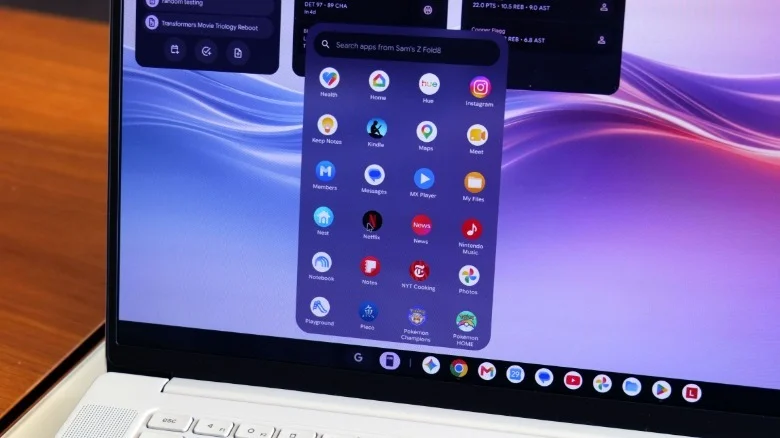
Pairing an Android phone takes a QR-code scan. After that, you can drag files between devices through the Files app, mirror phone apps on the laptop, sync notifications and reopen the page you were browsing on your phone. It’s the kind of connected experience Mac and iPhone owners often cite as a reason to stay with Apple, now built around Android instead.
There are limits. Transfers through the integrated file-sharing feature stop at 200MB; larger files require Quick Share. App casting also feels less responsive than it should. It’s adequate for messages or apps with little movement, but games show obvious drops in frame rate and smoothness. The connection is a strong idea, though the execution still needs polish.
The broader case for Google’s new notebook family is that it aims to make PCs more mobile-friendly by combining Android and Chrome OS features. Google’s Googlebook lineup is built around that premise, while Lenovo’s broader PC range and the Googlebook 15 product page show where this model sits. The hardware makes a persuasive case. The platform is still catching up.
 Sam Rutherford for Engadget
Googlebook OS has a few AI tricks that feel more useful in demos than in a typical workday. Magic Pointer lets you select objects to ask Gemini about, or turn highlighted images into drawings. You can also make stickers and party invites, though I had to invent reasons to try those features. Your needs may be different.
Voice input is a stronger case. Google’s Rambler, brought over from the Pixel 11 family, is excellent at transcription and gets its own keyboard key. Gemini and Gemini Notebook can also search, sort and summarize files, though those capabilities are now fairly standard.
Custom widgets show the gap between promise and execution. I asked for a dashboard with live scores for every NBA game; it failed. Narrowing the request to a few teams produced accurate scores, but the widget looked plain and was hard to scan. This is more significant than it looks: generating a working feature is only half the job if the result still needs a human to make it usable.
 Sam Rutherford for Engadget
App support remains the bigger obstacle
The wider issue is app polish. Play Store listings sort software into five desktop compatibility tiers, from “Made for desktop” and “Compatible for desktop” to “Better on the website”; apps that haven’t been tested may be marked “Built for mobile.” Those labels help set expectations, but they also make choosing an app feel like homework.
Performance varies just as much. Some apps behave well; others show display glitches, awkwardly placed controls or windows that can’t fill the screen. On a laptop with a large display, those limitations leave wallpaper visible around the app and make the whole experience feel unfinished. Googlebook OS needs more refinement and developer support before its app catalog matches the hardware.
Battery life: enough for a workday, with little to spare
The Googlebook 15’s 70Wh battery sounds substantial, but its 15-inch screen is the largest among the first Googlebook models, and endurance is merely adequate. With few desktop benchmarks available, I used a local video playback test: the laptop ran for eight and a half hours before shutting down.
That result looks modest beside the XPS 13, which lasted 15 hours and 56 minutes in PCMark 10’s more demanding Modern Office test. In everyday use, the Lenovo did better: after an eight-hour workday that included tests and benchmarks, it still had 20 percent remaining. Fine, then. Just don’t expect much headroom.
A strong laptop waiting on its operating system
 Sam Rutherford for Engadget
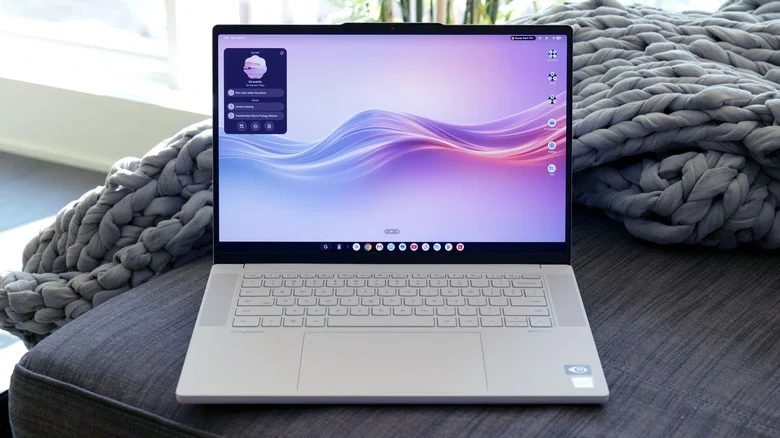
Lenovo got the physical laptop right. The Googlebook 15 pairs a vivid 15-inch, 120Hz display with an Intel Core 5 processor, capable speakers, a generous port selection and a large haptic touchpad. Its streamlined chassis has a smooth eggshell finish that feels unusually inviting. Battery life is average, but the hardware makes that shortcoming easy to accept.
The software is harder to excuse. Compatibility labels are confusing, and too many apps still feel like mobile versions forced onto a laptop. The machine can handle general productivity, yet at a similar price a Windows or Mac laptop offers more consistent software and flexibility. First-generation hardware can have rough edges; a first-generation operating system makes them harder to overlook.
For committed Android users, the pitch is clearer. Moving files and tasks between phone and laptop is simple, and shared apps and notifications make switching devices feel natural. Gemini features can help in a pinch, even if not every AI tool earns a place in daily use. I like Lenovo’s design, and Googlebook OS could grow into something compelling. For now, the Googlebook 15 is best suited to people who value the Android connection enough to live with an operating system that still needs time to mature.


