“Maxxing” turns optimization into a verb for everything
Dictionary.com’s choice of “maxxing” as its 2026 Word of the Year says something about the pressure to improve every part of life. The term can attach to almost anything: focusmaxxing, knowledgemaxxing or fibermaxxing. The site defines it as “the practice of pursuing an activity to the fullest or optimizing a certain aspect of your life.”
That idea has older roots. “Max,” “maximum” and “maximize” trace back to the Latin maximus, meaning “greatest” or “largest.” But the extra x gives the newer form a distinctly internet feel, and Dictionary.com says “looksmaxxing” and “tokenmaxxing” were among its most common variations in 2026. The shortlist also included “data center” and “unc.”
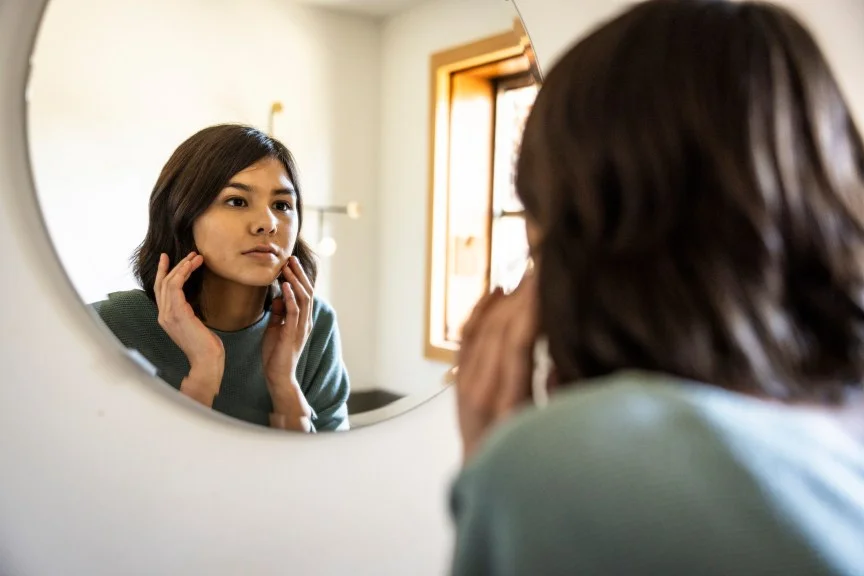
Looksmaxxing was the most popular internet search among maxxing-related terms in 2026, Dictionary.com says. The practice of trying to maximize physical appearance has been popularized by internet creators, some of whom promote extreme approaches. Dictionary.com’s explainer offers more on the term.
Tokenmaxxing carries the same urge into the workplace. In AI, a token is a small piece of text processed by a language model. Tokenmaxxing generally means using AI as much as possible on the job, as employers add it to more workflows. IBM describes the term, and some companies are assessing workers on how often and how well they use AI. That makes the word more than a joke about productivity.
Here’s the thing: “maxxing” can describe an earnest goal, an exaggerated bit, or even a way to mock the demand to keep doing more. Dictionary.com connects its rise to the same appetite for optimization reflected in the growing use of “super-” and “ultra-” in 2025. “Whatever we’re doing, we want to push it further,” the site says, while asking whether that impulse has peaked or will intensify next year.
You can also use “maxxing” on its own: “Have you been maxxing on anything lately?” Dietmaxxing, bookmaxxing and bingemaxxing for streaming all fit the pattern. The obvious read is that the internet keeps inventing new slang. The more telling one is that even ordinary interests now invite a language of optimization.
Dictionary.com’s 2026 Word of the Year announcement explains its choice.