Walter Koenig’s Chekov helped make the Enterprise feel like a shared future
Walter Koenig’s Pavel Chekov was more than the Enterprise’s navigator: his Russian accent and quick wit gave the original Star Trek crew one of its most recognizable voices. Koenig died Sunday at 90, The New York Times reports. His place in the series is a reminder of how a supporting character can shape the meaning of a fictional world as much as its central heroes do.
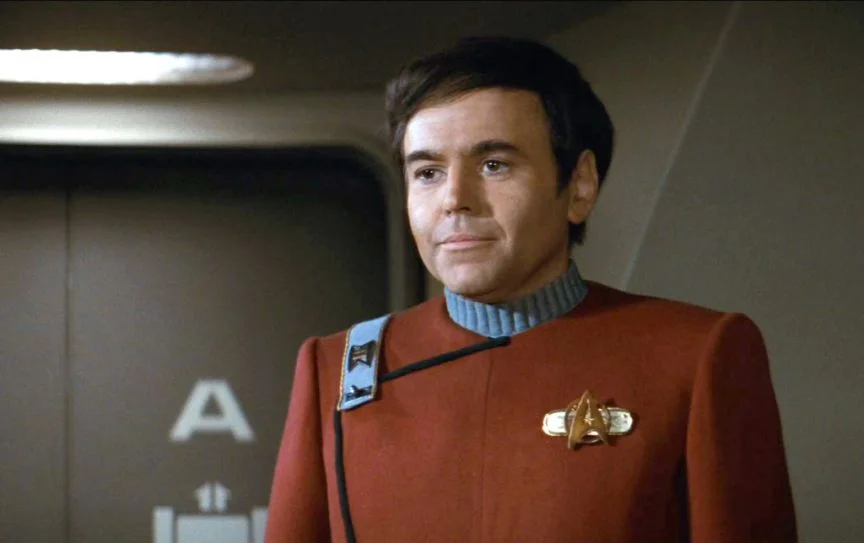
Koenig joined the series for its second and third seasons, then carried Chekov into all six original-cast films. That long run matters: the character’s place on a diverse crew made the show’s imagined future feel broader, with a Russian ensign alongside half-Vulcan Spock and the rest of the Enterprise team. Chekov wasn’t the story’s center, but his presence helped suggest that space exploration belonged to a crew with different backgrounds, not just a small circle of familiar types.
And yet, plenty of fans remember the jokes first. Chekov’s “wodka” and his mangling of “nuclear vessels” into “nuclear wessels” in 1986’s Star Trek IV: The Voyage Home became enduring bits of Trek shorthand. He even told Scotsman Montgomery Scott that “Scotch was invented by a little old lady in Leningrad.” The accent could have been a one-note gag; Koenig made it part of a character audiences wanted to keep around. That balance is harder than it looks: comedy gave Chekov an immediate identity, while the continuing role let him become a familiar member of the crew rather than a recurring punchline.
A career beyond the Enterprise
Koenig also played telepath Alfred Bester on Babylon 5, wrote for television series including Land of the Lost and Family, voiced Chekov in video games and wrote several books. His career ranged well beyond one role, though Chekov remains the part that fixed his place in television history. The range matters because it complicates the familiar story of an actor permanently identified with one character: Koenig kept working as a performer and writer across different formats, even as the Enterprise remained the work most people associated with him.
Chekov became more than a casting calculation
Walter Koenig’s casting as Pavel Chekov was meant to help Star Trek appeal to younger viewers. The New York Times obituary says creator Gene Roddenberry had heard that young fans considered stars William Shatner and Leonard Nimoy too old; producers hoped Koenig’s youthful look, including his Davy Jones-style hair, would draw them in. The plan had a wrinkle: Koenig was 30, just five years younger than Shatner and Nimoy. The gap between the marketing idea and the casting reality is telling: a character’s impact can outgrow the reason a studio first put him on screen.
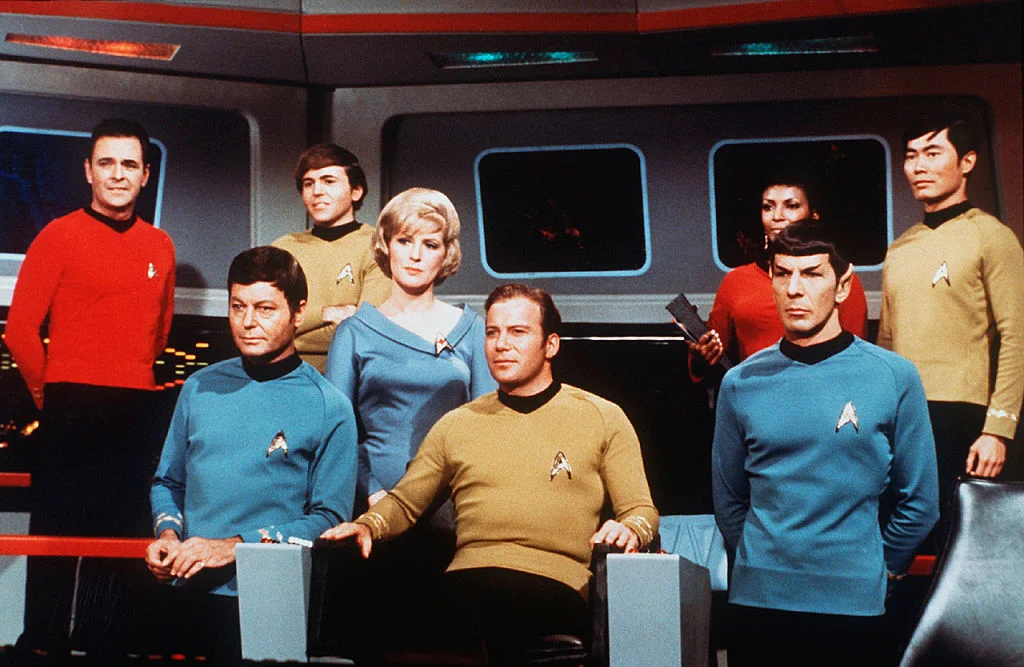
Koenig was born in Chicago to Jewish parents who had immigrated from Lithuania. His life and career extended well beyond the role that made him familiar to millions: he was a writer and teacher, too. In 2012, he received a star on the Hollywood Walk of Fame. Those details offer a fuller sense of a life than any single credit can, although public remembrance will naturally keep circling back to the character that brought him into so many homes.
His wife, Judy Levitt Koenig, died in 2022. They had two children. The affection among the original cast remained visible years later: Koenig was best man when George Takei married Brad Altman in 2008, with Nichelle Nichols also standing with the couple. Takei’s wedding offered a glimpse of a bond that outlasted the show. (And this is the part most people overlook.) A cast’s long friendship can become part of how audiences understand the work, especially when the series itself is built around a crew that depends on one another.
Takei’s tribute after Koenig’s death put that legacy plainly: “Walter was more than Chekov,” he wrote on Instagram. “He was a writer, a teacher, a thoughtful man, and a loyal friend. To the fans who loved him for so many years, thank you. He loved you too.” That last line feels like the fitting close: the character brought Koenig to audiences, but the connection endured because of the person behind him. A role can open the door. The relationship that follows is something else.
What Chekov’s legacy says about ensemble television
Chekov’s career in Star Trek shows how an ensemble can make room for a character to serve several purposes over time: comic relief, a recognizable voice and a member of a crew whose variety helped sell the show’s future. The jokes are easy to quote, but the repeated presence across television and films gave the character continuity. This is more significant than it looks: viewers often form their attachment to a fictional world through the people who make it feel lived in, not only through its boldest ideas.
If you’re working in television, the lesson is familiar but still useful: casting rationale may start with a demographic guess, while a character’s lasting value depends on what performers and writers make of the part. Koenig’s Chekov outlasted the original series and became part of the original cast’s film run, giving audiences more chances to see him as a colleague rather than a novelty. That said, the character’s Russian identity was also filtered through broad comic shorthand. The affection for Chekov doesn’t erase that tension; it helps explain why the performance’s warmth and persistence mattered.
Chekov stayed with the Enterprise. And Koenig’s wider career kept going beyond it.