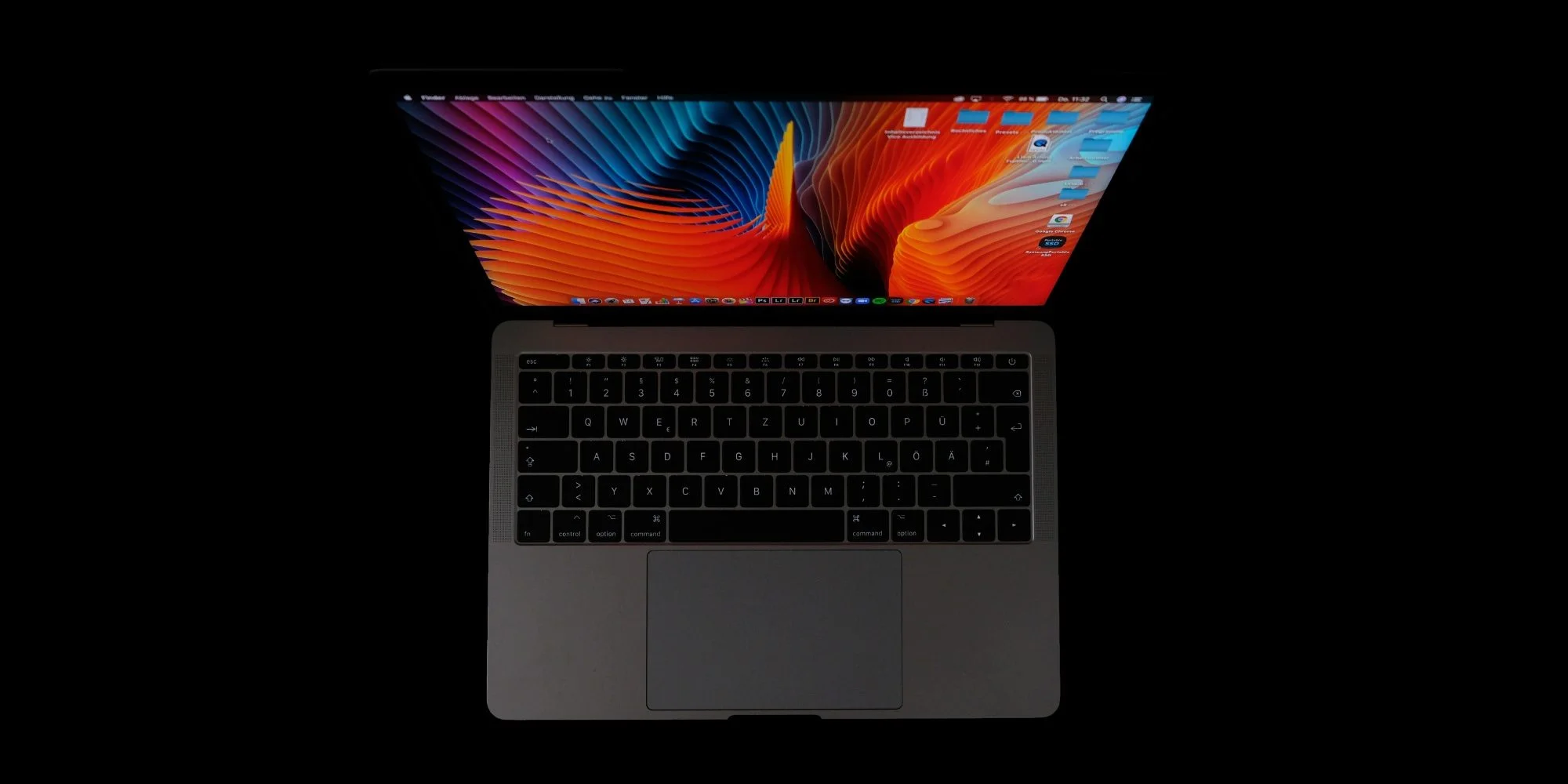
Apple’s rumored MacBook Pro redesign could change how the laptop looks and feels, with an OLED touchscreen and a thinner, lighter chassis among the expected updates. That would be a noticeable shift for a product line whose recent appeal has centered on performance, ports, and battery life rather than a new way to interact with the screen. The catch for professionals weighing an upgrade: the new machine may arrive with the same M5 Pro and M5 Max processors as the current models.
New hardware, familiar performance
Apple is expected to show the redesigned MacBook Pro at its October 28 ‘Pro and tell’ event. Rumors point to a new industrial design, a slimmer and lighter body, an OLED screen, touch support, and a Dynamic Island in place of the current notch. A C2 cellular modem has also been floated as a possibility, though it remains just that: a possibility. The reported changes would affect the machine’s display, shape, and potentially its connectivity, giving Apple several ways to make the product feel new at once.
Taken together, those changes could make this a substantial product redesign. An OLED display could alter contrast and the way images appear, while a thinner, lighter chassis could matter to people who carry a MacBook Pro between workspaces. Touch support would be a more fundamental change in daily use, since it could add another way to navigate and interact with apps. Apple hasn’t yet explained how it would handle touch on macOS, so the usefulness of that feature will depend on more than the presence of a touchscreen.
They’d also give Apple new ways to position the MacBook Pro beyond its usual focus on speed, especially for people who have been waiting for a display and interface overhaul. That’s a meaningful change in emphasis. For buyers whose current machines already handle their workloads, a redesigned screen and body may be more persuasive than a faster processor. For others, the familiar chips could make the new model feel like a cosmetic refresh attached to a much higher price.
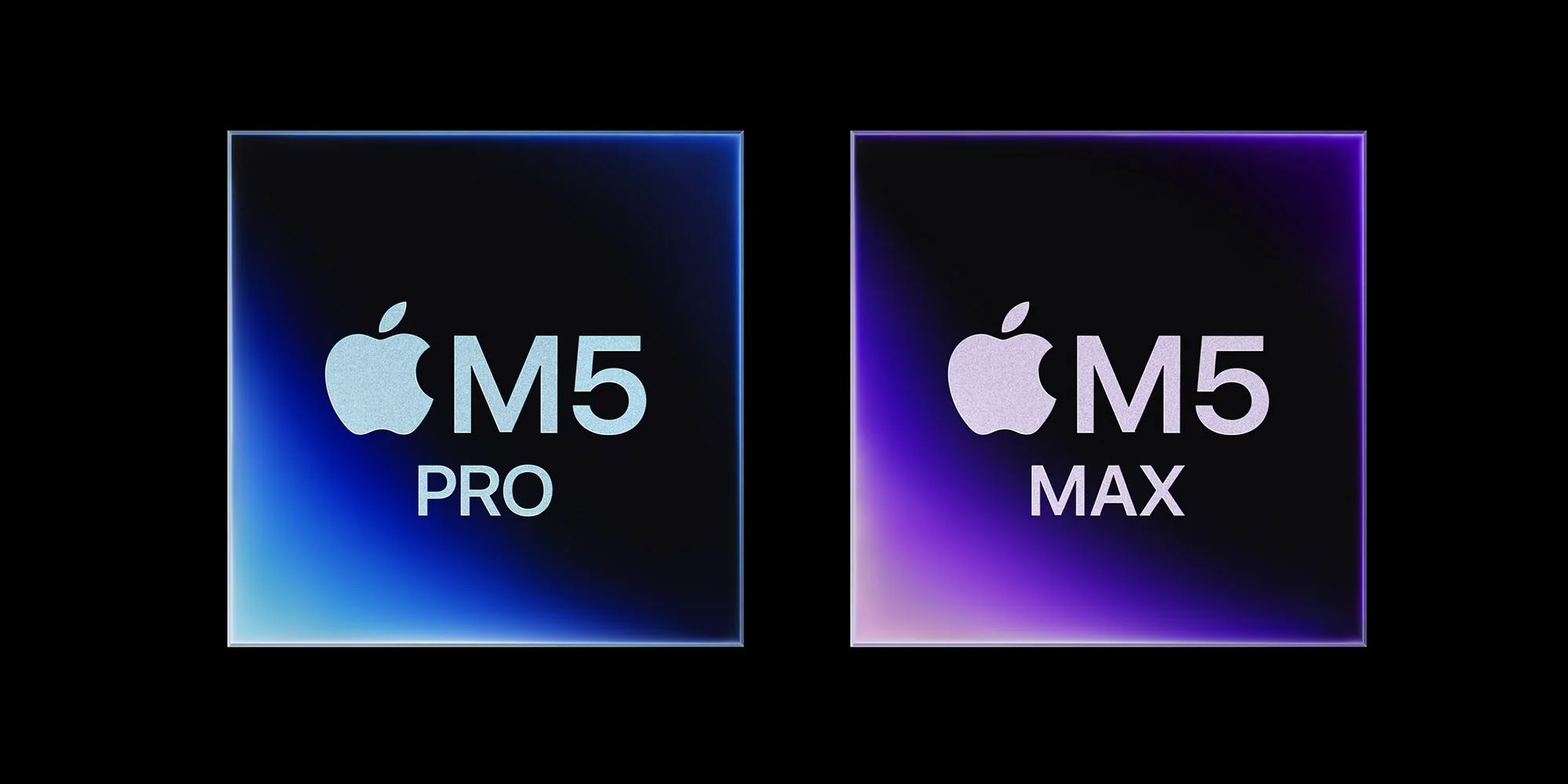
But Mark Gurman reports that the new models will use the M5 Pro and M5 Max, first introduced nearly eight months ago. If that holds, buyers would get the redesigned hardware without a corresponding processor upgrade. That doesn’t establish that performance will be inadequate; the source doesn’t say the chips have changed or that they’ll struggle with current workloads. It does mean the usual comparison between a new model and its predecessor may be less straightforward: the headline improvements could be physical, while compute performance stays familiar.
That timing appears linked to Apple’s reported decision to skip M6 Pro and M6 Max chips and fast-track the M7 Pro and M7 Max for 2027. It’s an unusual gap for a laptop line whose appeal rests heavily on sustained performance. Professionals often keep machines for years, so a processor generation can shape how long an expensive purchase feels current. Yet the new screen and chassis could still matter to buyers with older machines, particularly if their main frustration is the display or the laptop’s size rather than its speed.
The upgrade decision may come down to timing
Price could make the tradeoff harder to ignore. The current MacBook Pro already carries a premium, and the redesign may push the entry price toward $2,999. At that level, a buyer would be paying for the new design and display while getting no reported performance gain over the existing M5 Pro and M5 Max models. That’s a tough pitch for anyone who treats processor performance as the main reason to replace a working laptop, especially when the next reported chip generation is expected in 2027.
The number alone won’t settle the question. A buyer who needs an OLED display or a lighter machine may value those changes differently from someone whose current MacBook Pro is already comfortable to use. And a touchscreen’s value will depend on whether it fits real workflows, not simply whether it makes for a striking feature list. Here’s the thing: the redesign could be significant, but significance and value aren’t the same.
Apple could instead replace the current configurations at roughly the same prices, which would soften the value question. That possibility remains speculative, particularly amid reported memory supply pressure. Without confirmed pricing or final configurations, it’s hard to judge whether the redesign will ask buyers to pay a premium for its new features or make those features the new baseline.
What the redesign could mean for buyers
For owners who skipped this year’s M5 Pro and M5 Max machines, the decision may hinge on whether the redesign’s display and physical changes justify buying now—or whether waiting for the M7 generation makes more sense. If you’re working in this space, the practical question is which part of the machine limits your work today. A screen and chassis overhaul could be a worthwhile change for someone who spends long days using the built-in display, while a processor-focused buyer may see little reason to upgrade until the next chip generation arrives.
This is more significant than it looks. Apple may be asking customers to judge a professional laptop by its interface and physical design at a moment when its processors could remain unchanged. That’s a different sales story, and one that will be tested by the final price, the quality of the screen, and whether touch feels useful in everyday Mac work. And yet, for users with older hardware, a familiar processor doesn’t automatically make a redesigned machine irrelevant.
The unanswered details matter. A rumored modem, a new display, and a thinner body can each sound compelling in isolation, but buyers will need to know how they fit into the full product: which configurations get which features, what the starting price includes, and how the touchscreen works in practice. Apple’s October event should reveal how the company frames that choice. Until then, the expected redesign offers a reason to wait for details, not a clear answer about whether to buy.
*Buy Mac with 15% discount from Apple refurbished
Best Mac accessories
- Logitech MX Master 4 Mouse
- 100W USB-C fast charging power adapter
- tomtoc protective MacBook sleeve bag
- Twelve South aluminum laptop stand for MacBooks
- Anker Docking Station USB-C with Ethernet, HDMI, SD, more


FTC: We use income earning auto affiliate links. More.