A $150 phone built around parental control
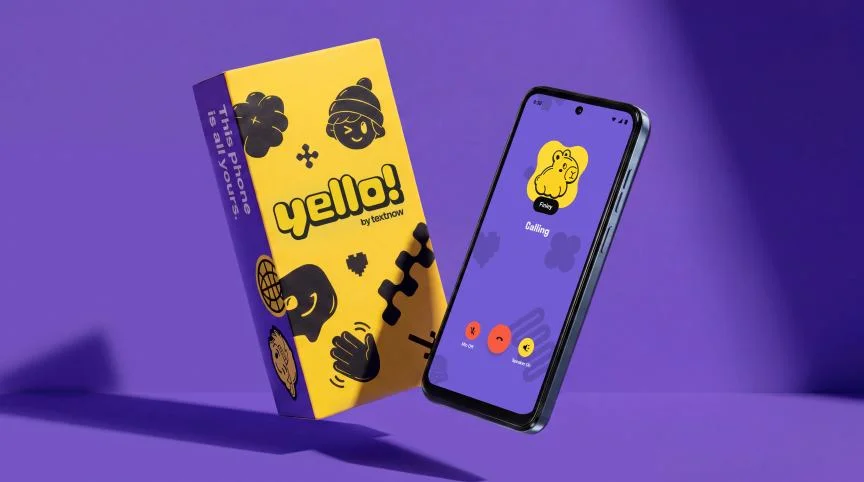
TextNow’s Yello is a basic Android phone with a specific job: keep kids reachable while giving parents control over who they can contact and what they can access. The phone costs $150, and its $20 monthly plan has no required contract or minimum service commitment. That pairing could suit families who want a child’s first phone without adding a more expensive plan or committing to service for a set period. The pitch is simple, though its value depends on whether a family wants a phone with deliberately narrow capabilities.
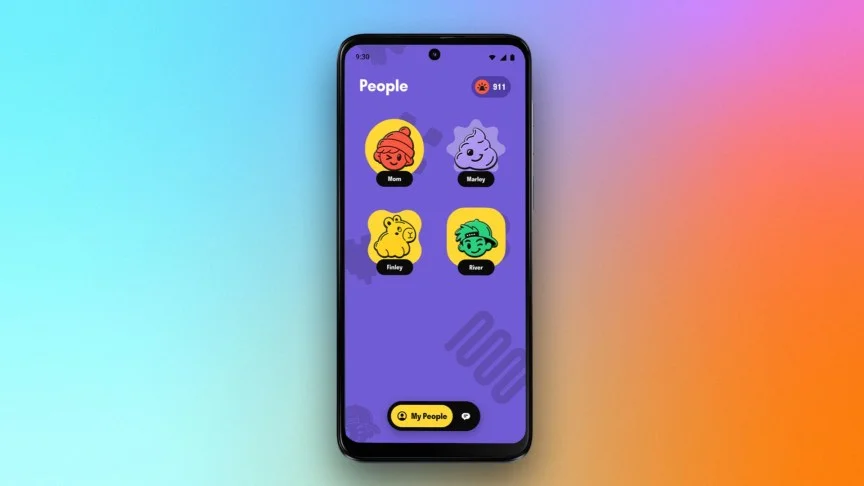
That restraint is the product. Many first phones bring the same apps and open-ended access as an adult’s device; Yello removes the Google Play Store and blocks users from installing other apps. Parents set approved contacts through a web portal and can check the phone’s GPS location, while kids call or text by choosing from a grid of large icons. The setup puts the parent in charge of the contact list and gives the child a straightforward way to reach the people on it.
Yello is based on the 2024 Motorola Moto G Play, a 4G-only phone with a 6.5-inch screen. That gives TextNow familiar, off-the-shelf hardware to build around, but the experience depends heavily on its own software controls. If those controls fit your family’s expectations, the standard phone form may be appealing; if a child needs access to school or communication apps, the closed setup could become a constraint.
What children can do with it
The restrictions are the point, but they also define the tradeoff. Kids can use the 50-megapixel rear camera and 8-megapixel selfie camera, along with a calculator, clock and weather app. Parents can enable seven built-in games, including Snake, Mines and Tic-Tac-Toe. Photos can only be shared with parents, a limit that makes the device’s camera useful for taking pictures without opening up general sharing.
That’s a narrower set of features than a conventional Android phone offers. For some families, that may reduce the number of decisions a child has to make and give parents a clearer boundary around screen use. For others, the absence of app installation will be the defining drawback. This is more significant than it looks: a phone’s usefulness increasingly depends on the services a family expects it to run, and Yello’s software deliberately limits that range.
Hardware and support
The hardware’s 5,000-mAh battery should last a day or two, and its IP52 rating offers protection against light splashes. Storage is limited to 64GB, though the software’s restrictions may make that less of a concern: there are no user-installed apps competing for space, and photos can only be shared with parents. The device’s practical limits are tied as much to its software rules as to its specifications.
The more pressing question is long-term support. Motorola’s security updates for this older model run only through 2027, so families buying Yello will need to consider how the phone’s software is maintained as that support period ends. TextNow says it plans to keep developing Yello based on user feedback. That commitment could matter, but the company’s ongoing software work won’t by itself extend Motorola’s security updates. For a device intended to stay with a child over time, the distinction matters.
There’s another small mismatch between the branding and the product: despite the name, Yello comes only in the Moto G Play’s sapphire blue. A minor detail. Still, it hints at how much of this product is a customized version of an existing phone rather than a device designed from scratch.
How it compares, and what families should weigh
Yello enters a market where US carriers already offer kid-focused phones. AT&T, for example, adapted the Samsung Galaxy A16 as the AmiGo Jr with similar parental controls. Families weighing a phone against a child-friendly smartwatch will need to decide how much connectivity their child actually needs. A phone offers a larger screen and familiar calling and texting, while a watch represents a different way to keep a child reachable.
Yello’s clearest selling point is its lower-cost plan and lack of a service commitment. That said, the monthly price is only one part of the decision: parents will also be choosing a tightly managed device with a defined set of features. If you’re working out whether that boundary suits your household, consider what your child needs to contact others, what apps they’re expected to use, and how long you want the device to remain supported (and this is the part most people overlook). A good fit will depend on those needs, not just the phone’s price.
What this means for you: Yello is easiest to understand as a first phone for families who want calls, texts and location checking within parent-set limits. For children who need broader app access, those limits may make the device less useful over time. A simpler phone, with fewer choices.
If you’re comparing options, CNET’s guide to the best phones is another place to start.
Yello’s phone is now available through TextNow’s website.
Editor’s note: An earlier version of this story identified the wrong edition of the Moto G Play used by Yello. TextNow clarified the model after Yello’s announcement, and we’ve corrected the story.