AI bird identification drops below $100
Smart bird feeders have usually asked buyers to spend around $200 or more. Birdbuddy’s new Nook starts at $99 and includes AI species recognition without a subscription. That price shift matters: it makes camera-based birdwatching more accessible to newcomers, though the information available here doesn’t tell us how accurately the system identifies birds. A lower starting price can bring more people into the category, but it doesn’t answer whether the camera, app and recognition features will hold up in everyday use.
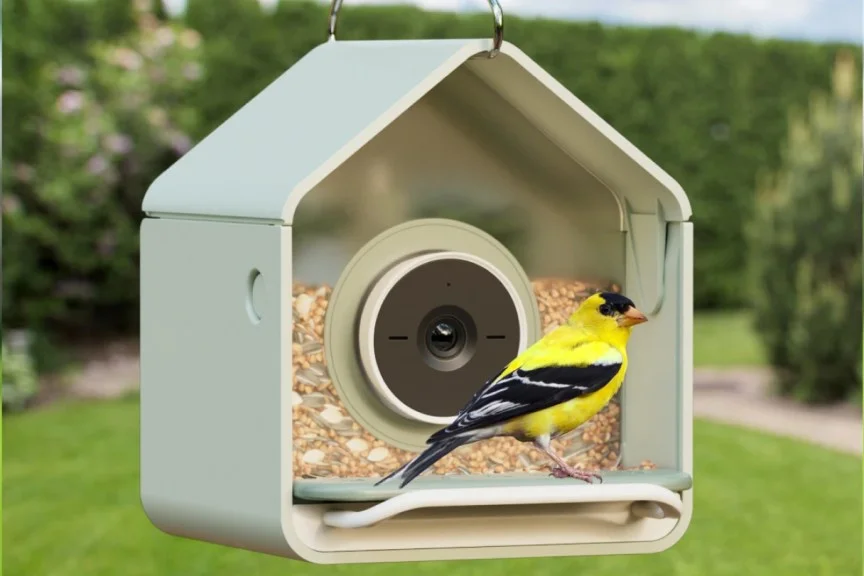
Birdbuddy announced the new feeders on Thursday. The Nook has a 2K camera that can shoot in portrait or landscape, a 3.8-cup seed container and motion-triggered recording that can run longer when activity picks up. Notifications and species identification come through the Birdbuddy app. That gives the feeder a role beyond dispensing seed: it’s also a small outdoor camera, and its usefulness depends on capturing visits clearly enough for the app to interpret them. Its camera-based approach may appeal to people already comparing cameras without subscription fees, though bird identification adds a different kind of uncertainty than ordinary motion alerts.
The standard Nook costs $99. A version with a solar panel built into the roof is $159. The battery is rated for about a month, and charging it may be less convenient than charging a typical camera, since the feeder needs to stay in a useful spot for birds. Based on experience with solar-powered security cameras, the panel could reduce that chore; I’d favor the solar model if the feeder will be hard to reach. That extra cost buys convenience, though buyers will still need to consider whether the feeder’s location gets enough light for the panel to help.
Birdbuddy is also introducing the Birdbuddy Home for $219. It has a 6-cup seed capacity and a wraparound perch bar, giving visiting birds more room. The two products point to different priorities: the Nook is aimed at a lower entry price and tighter spaces, while Home offers a larger feeding area at a price closer to what smart feeders have typically cost. For a broader comparison, see CNET’s tested smart bird feeder recommendations and its review of an earlier Birdbuddy model.
Read more: The Best Smart Bird Feeders, Tested and Reviewed
Where should you put the Nook?
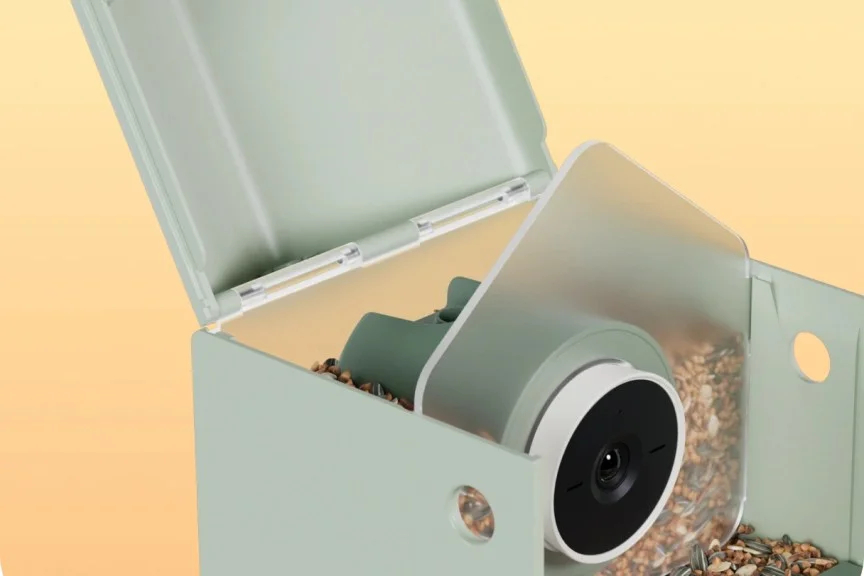
Capacity and camera features only matter if birds feel comfortable visiting. Placement affects whether they have cover nearby, whether squirrels can reach the food and whether the camera can connect to Wi-Fi. For a smaller feeder designed for patios, balconies and small yards, those practical constraints may shape the experience as much as the app does. A convenient spot for the person filling it won’t always be the best spot for birds or for a stable connection.
Give birds cover, and keep squirrels guessing
Placement can make or break a feeder. Birdbuddy’s in-house ornithologist, Mary Mack Gray, recommends setting one 4 to 10 feet from shrubs or trees: close enough to offer birds a sense of cover from predators, but far enough to help discourage squirrels. For a pole-mounted setup, aim for a height of 5 to 6 feet. Those recommendations reflect a basic tradeoff: birds benefit from nearby shelter, while squirrels benefit from easy routes to the feeder. The Nook is built with tighter settings in mind, including patios, balconies and small yards. Gray shared more feeder placement advice with CNET.
Squirrels can still show up. Gray’s food advice is practical: try safflower seeds or suet, which squirrels generally avoid, and skip corn and peanuts, which they’re more likely to seek out. Food choice won’t guarantee a squirrel-free feeder, but it can influence which visitors find the setup appealing. If you’re working in a small outdoor space, placement and seed type may take some trial and error before the feeder gets the visits you want.
What the camera can—and can’t—tell you
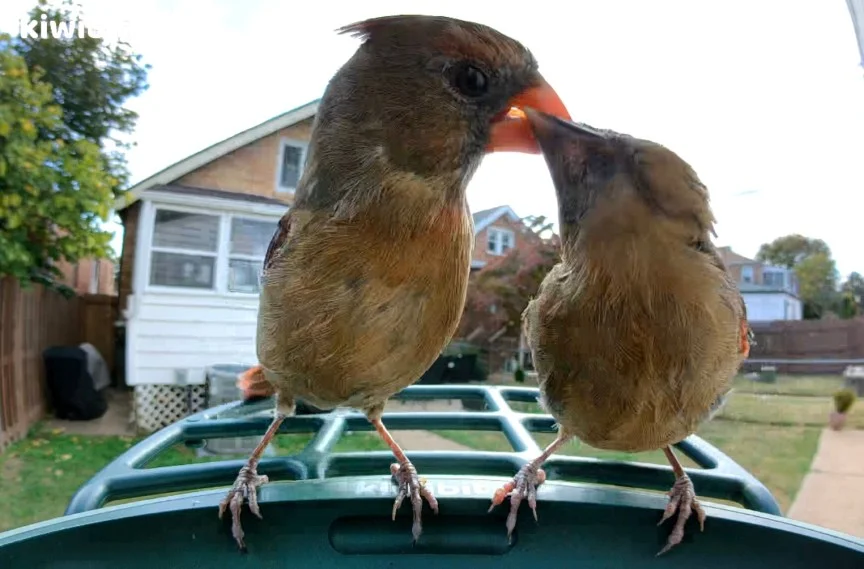
The recognition system has been trained on birds visiting feeders. When a visitor appears, it compares features such as shape, color and markings, then offers a species match if it can find one. The camera takes a few moments to wake and capture an image, so a reliable Wi-Fi connection matters; keep the feeder within reach of your router. A missed moment or unclear view can limit what the software has to work with, so the quality of the identification depends on more than the algorithm alone.
After a bird lands, the feeder sends a snapshot to the recognition algorithms. The result is either an identified species or an “unknown” label. That unknown option is useful: a system that can decline to guess is more informative than one that presents every match as certain. Birdbuddy hasn’t explained whether that analysis happens entirely on the device or in the cloud, leaving the system’s processing and privacy details unclear. For buyers, that gap makes it harder to know what happens to the images after they’re captured.
The recognition has had occasional errors, according to CNET’s previous birdwatching reviewer, but it was generally accurate and sometimes corrected its own initial mistake. That’s the more useful takeaway: the feature appears capable enough to help beginners learn which birds visit, while keeping the cost relatively low. This is more significant than it looks for people who want an introduction to birdwatching without starting with specialist equipment. A label in an app can prompt curiosity, but it shouldn’t replace checking a field guide or treating a match as certain. If you’re buying a smart feeder mainly for identification, though, the cloud question is still one to keep in mind.
What the lower price changes
The Nook’s price puts a camera and species recognition within reach of more buyers, but the product still asks them to manage a feeder, keep it connected and decide whether a solar panel is worth the added cost. The recognition feature also has limits: it can return “unknown,” and past review experience includes occasional errors. Here’s the thing: the value isn’t just in naming a bird. It’s in whether the whole setup makes watching and learning easier enough to justify adding another connected device outdoors.
That said, Birdbuddy’s entry-level price gives curious beginners a less expensive way to try camera-based birdwatching. The best fit will depend on the space available, how easy the feeder is to reach and how much confidence the buyer places in automated identification. For someone who mainly wants to attract birds, a conventional feeder may still be enough. For someone who wants snapshots and a starting point for identifying visitors, the Nook offers a more approachable entry, with a few unanswered questions attached.


