A steadier course for Call of Duty
Call of Duty: Modern Warfare 4 arrives after a rough year for the series. Black Ops 7 paired an always-online campaign with outlandish zombie bosses and open-world Warzone, while its multiplayer left little impression. Treyarch had also been assigned two consecutive releases, a schedule that put the studio under pressure. The result made this year’s entry feel like a test of whether the franchise could regain its footing.
Infinity Ward had more time to make this fourth and final chapter in its Modern Warfare series. The extra development time shows: this isn’t a return to the heights of the original trilogy, which ended in 2009 and was rebooted by the studio over the past decade. But the game is a clear step toward better form after several increasingly uneven releases. That matters more than the familiar spectacle might suggest.
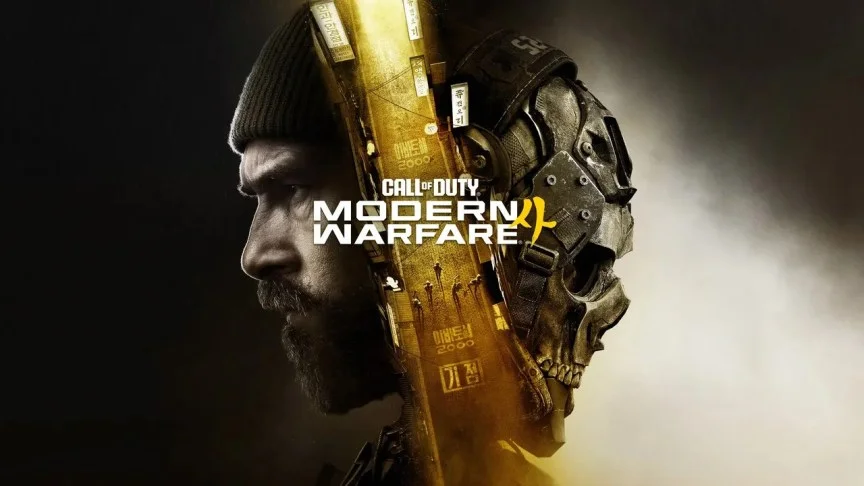
The campaign delivers cinematic action, though open-world stretches show Infinity Ward returning to habits that don’t always serve the series. Multiplayer has eased off the pace slightly, and I think the change helps. Neither mode reinvents Call of Duty; the improvement is in the execution.
DMZ takes the spotlight
The bigger gamble is the removal of Modern Warfare Zombies in favor of DMZ, an extraction mode where players contend with both rival players and AI opponents. It’s an accessible change in direction, and DMZ emerges as the game’s strongest mode. Whether that experiment can carry the series beyond this release is still an open question. For now, though, it gives Modern Warfare 4 a distinctive reason to stand out.
There are still rough edges, especially in the open-world campaign sections. Even so, this is among the stronger recent Call of Duty entries. If the series’ familiar mix works for you, Modern Warfare 4 delivers it with more care than the last few games.
The campaign’s strengths and baggage
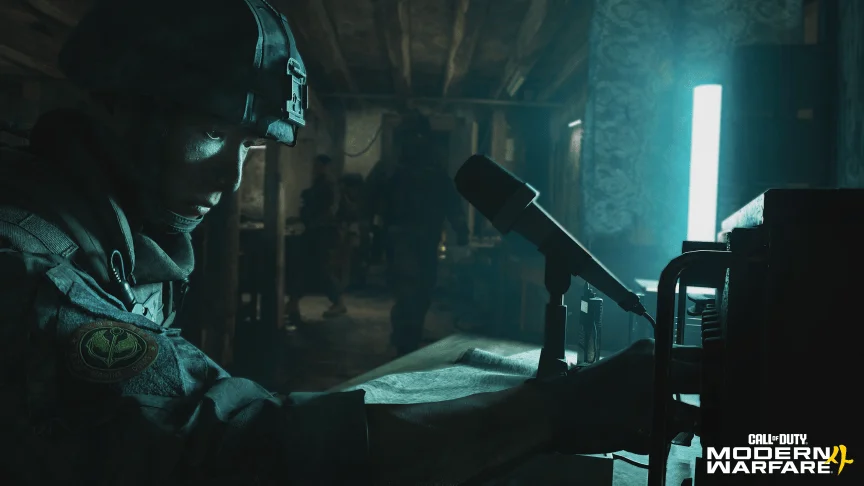
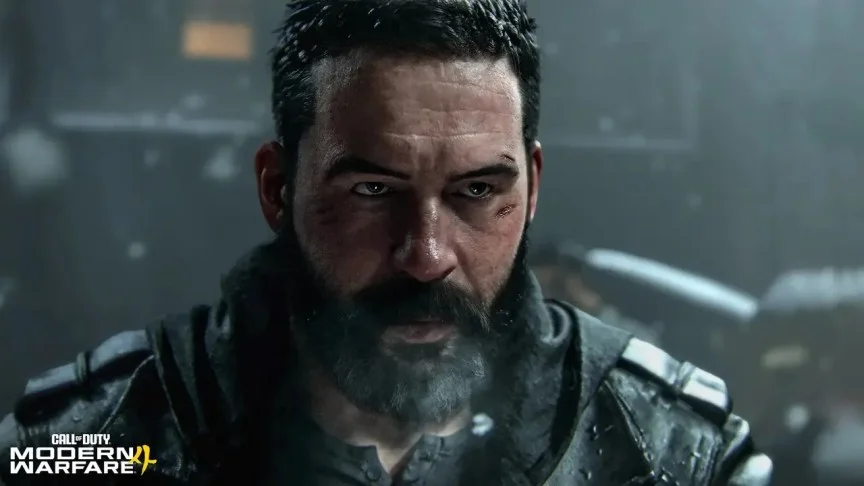
Modern Warfare 4 is a more focused game than Infinity Ward’s last project, and a substantial improvement over Black Ops 7. Its campaign is easier to digest than its premise might suggest: You alternate between series veteran Captain John Price and newcomer Park Hyun-Jun, a South Korean soldier defending his country alongside his squad. Their enemy is a joint force of Russian and North Korean ultranationalists pushing into neighboring territories.
The new squad is easy to like, and South Korea gets a welcome place at the center of a Call of Duty story. But the politics are blunt enough to flatten the drama. Russia and North Korea play as cartoonish imperialists; Western forces, especially the Americans, are cast as the defenders standing in their way. The result is a Red Dawn-style invasion story that leaves little room for ambiguity.
Price’s supposed moral complexity doesn’t change that impression. He works with a cartel and clashes with former allies, gestures toward the costs of Western military power. By the end, though, the story confirms him as the hard-edged leader needed to avert a global crisis. The critique never gets much past the gesture.
One mission pushes the game’s appetite for shock into uncomfortable territory. Playing as a North Korean soldier, you search a village for people sheltering a defector and execute them. I earned an achievement for interrogating a villager without beating them. That reward turns an already graphic sequence into a small optimization challenge, and it’s hard to see what the game gains by making this kind of mission a recurring series feature. The effect is grim and gratuitous.
That’s a shame, because the action often works. Early on, Price infiltrates a New York nightclub to find a Russian oligarch, with bright lights and pounding music framing a sequence of close-quarters fights and gunfire that could pass for a John Wick finale. The campaign follows with a rail-moving-cover fight in a train yard, a Mumbai rooftop chase, a tense nighttime raid on a penthouse and an assault on a dictator’s compound.
Its weakest stretch takes a promising survival setup and drains it of urgency. After their aircraft is shot down over North Korean airspace, the squad must make do with scavenged equipment behind enemy lines. The mission then opens into a Warzone-like map with more than 50 optional collectibles. The puzzles offer little resistance, and after clearing about half the side activities, I stopped exploring and rushed the main objective. A campaign mission shouldn’t make finishing it feel like the best escape.
It’s unclear whether these open maps are meant to funnel players toward Warzone, but the format keeps interrupting the campaign without giving exploration much purpose. Even so, players who come for the missions will find strong locations and enemies that put up a tougher fight than expected. If the story matters to you, the militaristic framing may linger longer than the set pieces do.
DMZ makes the strongest case for itself
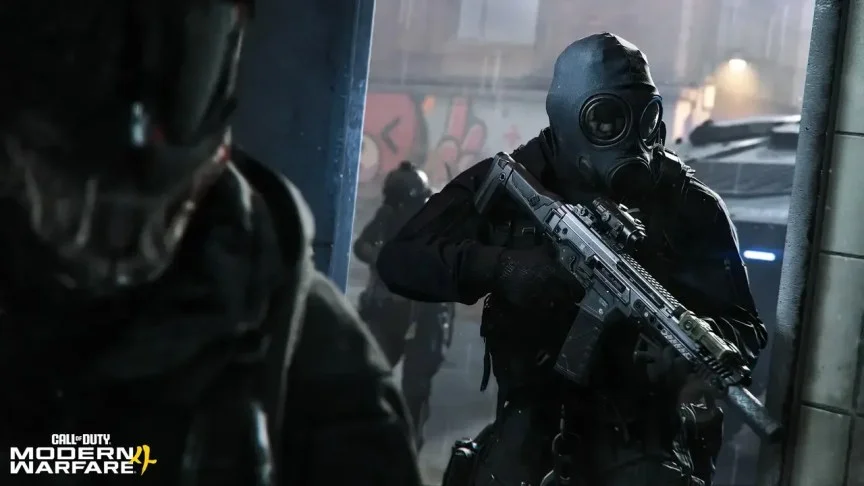
DMZ is the most convincing reason to spend time with Modern Warfare 4. The accessible extraction mode returns with fresh content for the first time since its “beta” ended in 2023. Players have kept asking for it, and Infinity Ward appears to have spent time refining the mode in the background. The work shows.
The loop is simple: drop into North Korea, gather useful gear, fight AI and rival players, take down important targets and try to extract with valuable items. Scrap, healing supplies and weapons are easy to sort through, so you spend less time puzzling over inventory and more time making decisions in the field. It’s even more approachable than ARC Raiders, and that simplicity feels like a deliberate strength.
The AI gives each run teeth. Troops press aggressively, and armored vehicles and helicopters can turn a routine fight into a scramble. Getting the player-versus-environment balance right is difficult; here, the enemies make the map feel dangerous without making the mode hard to understand.
Other players can still take your loot, a risk that puts some people off extraction games. DMZ’s bounty system gives that threat a useful counterweight: Players who hunt others pick up a bounty and appear on the map, giving more cautious squads a chance to avoid them while hunters pursue their targets. It doesn’t remove the tension, and it shouldn’t. It gives both play styles a reason to exist in the same match.
The open question is whether this lean loop can stay compelling over time. Infinity Ward plans to add world bosses, which could change how matches unfold, though the game hasn’t shown anything on the scale of Marathon’s Cryo Archive. DMZ still feels like a foundation more than a finished destination, but it’s the mode with the clearest path to becoming a lasting part of Call of Duty.
Multiplayer slows down without losing its pace
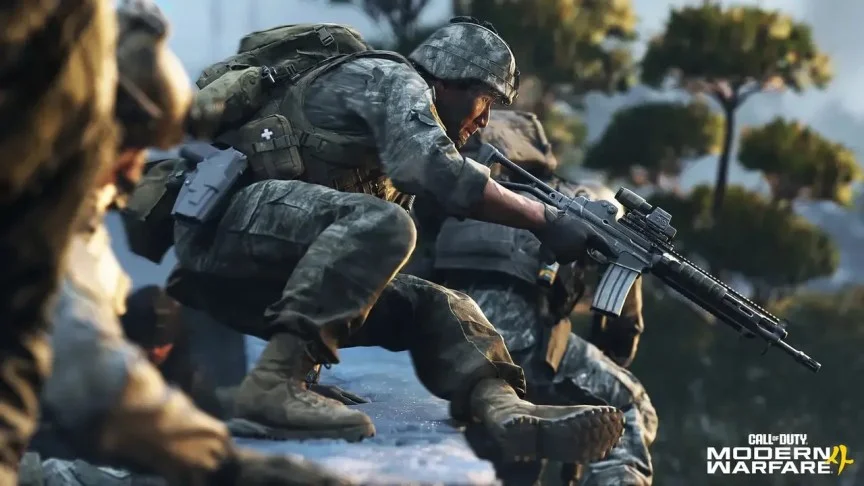
Black Ops 7’s omnimovement made small maps exhausting. Treyarch’s system let players sprint, slide and jump in any direction while keeping their aim on target; that freedom may suit Warzone’s wide spaces and longer fights, but it left little breathing room in standard multiplayer. Call of Duty is an arcade shooter, yet its matches need pauses for recovery, flanking and scorestreaks to matter.
Infinity Ward has removed omnimovement, though players can still sprint, slide and dolphin dive at speed. Mantling adds a few ways through the environment, while movement overall feels weightier. Six-versus-six matches benefit most: they’re still quick, but there’s more room to read the fight. Larger modes also feel less frantic, in keeping with the series’ boots-on-the-ground Modern Warfare identity.
The familiar clutter remains. Many guns have more than 70 attachments, some modes use maps carved from larger Warzone spaces, and a 24/7 Shipment playlist is due soon. Tying progression across the full Modern Warfare 4 package adds another layer of systems. None of that sinks the multiplayer, but it makes the whole game feel busier than it needs to.
Modern Warfare 4 is a solid Call of Duty, with DMZ as its clearest standout and multiplayer that feels better balanced than Black Ops 7. The campaign can deliver sharp action, but its politics and one especially troubling mission undercut the experience. This is probably close to the series’ ceiling in its post-Warzone form. If that version of Call of Duty still works for you, there’s plenty to play; if it doesn’t, this entry gives you little reason to change your mind.