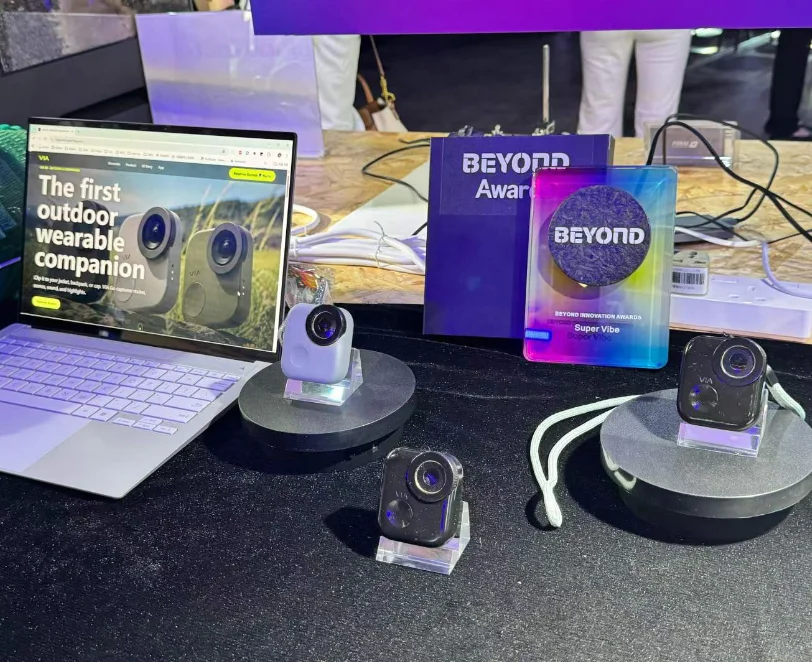
Souvi’s bet is that an AI device can make travel memories more useful by deciding what to keep, not simply recording more. Shanghai-based Vibe Technology is developing the outdoor device for hiking, camping, travel, and urban exploration, aiming to turn photos and video into material people can revisit without spending hours sorting and editing. The premise responds to a familiar problem: capturing a trip has become easy, but making sense of the resulting files still takes time and attention.
That distinction matters because another camera can add to the pile without changing what people do with it. Souvi is being framed as a device that handles some of the selection and presentation after the experience, so the user can stay focused on the activity. Whether that promise holds will depend less on how much footage it records than on whether its choices feel personal and useful.
From footage to a coherent story
The product addresses a familiar tradeoff: taking pictures can pull people out of an experience, while the files they collect often sit untouched in phone galleries. Souvi is meant to capture with little interruption, then use AI to select and arrange the material into curated photos, illustrated travel journals, videos, or interactive memory pages. Those formats suggest a broader aim than automatic editing: giving a collection some shape that makes it easier to revisit.
The challenge is that a coherent story isn’t simply a sequence of attractive images. A useful account might need to reflect the rhythm of a day, preserve a small moment that mattered to the people there, or leave out footage that adds little. Similar systems typically have to make those decisions from incomplete signals, and the company hasn’t described in detail how Souvi will handle them.
That shifts the product’s measure of success from recording volume to the usefulness of what it creates afterward. “You live it. Souvi remembers,” is the company’s concise description of that ambition. The line captures the appeal, but it also sets a demanding expectation: the device has to remember in a way its owner recognizes.
CEO Deng Jiawei told TechNode that Vibe Technology is interested in AI both as a way to help people work more efficiently and as a tool for preserving personal experiences. The idea, he said, grew from the team’s own hikes and trips: people want to stay present while retaining the moments that matter. That origin gives the product a clear use case, though a team’s own travel habits can’t establish what a wider group of users will want from an automated memory tool.
Memory selection is the hard part
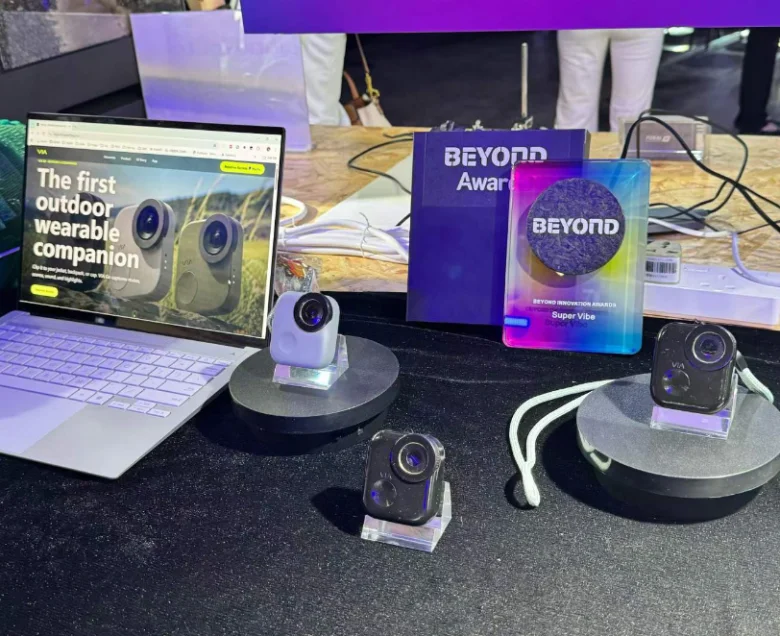
Souvi occupies a different niche from action cameras built around sports footage and wearables geared toward voice commands or meeting transcripts. Vibe Technology has presented the device at BEYOND 2026, VivaTech in France, the World Artificial Intelligence Conference (WAIC), and the HKTDC Hong Kong Electronics Fair (Autumn Edition). Those appearances establish that the company is introducing the product to technology audiences, but they don’t answer the more practical questions about daily use or customer demand.
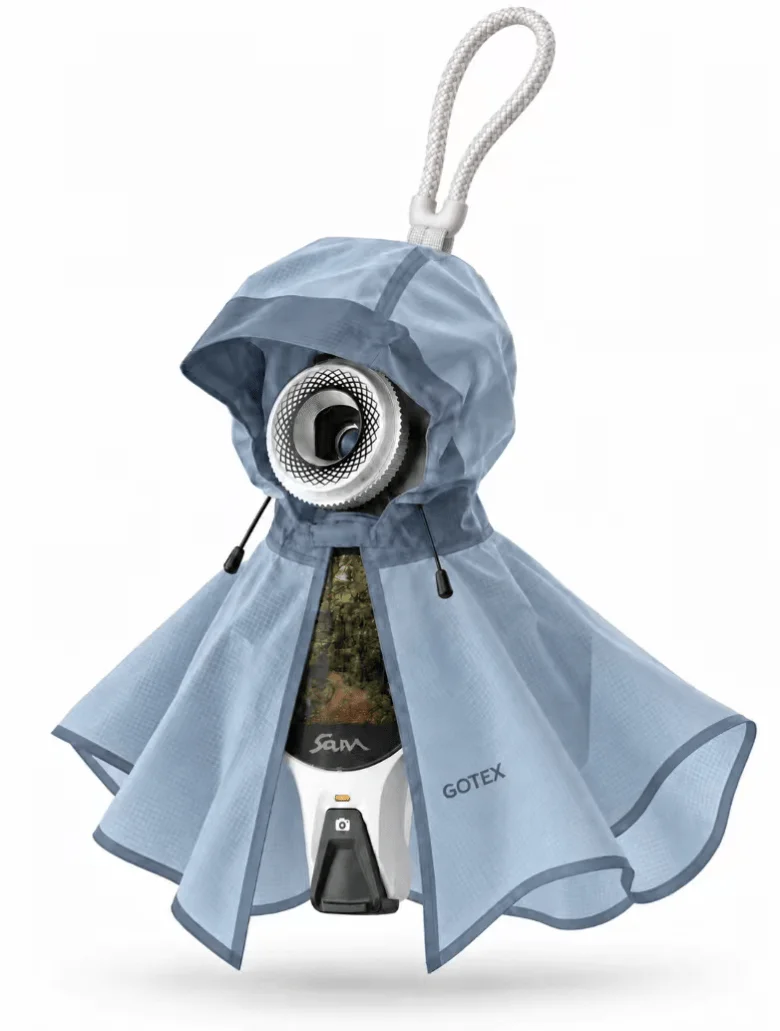
The company is developing software and hardware in parallel, with software work focused on interpreting source material and generating content. Prototype hardware is being refined through real-world recording. Vibe says its technical work includes adapting and fine-tuning open-source models, applying visual understanding to select travel footage, and building an internal framework to coordinate tasks and turn images, video, and text into stories.
That combination points to a system with several jobs: capture material, interpret it, select what belongs together, and produce a format that someone might want to keep. Each stage can affect the result. Poor capture can limit what the software can infer, while a fluent summary can still misrepresent what happened if it draws conclusions the files don’t support.
The test is judgment. An ordinary group photo might mark a reunion that matters deeply to its owners; a striking clip of a mountain or coastline may carry little personal meaning. To make a useful collection, the system needs to connect moments across files while avoiding invented details. A polished montage alone won’t establish that it understands what the user will want to remember. This is more significant than it looks: the device’s value rests on taste and restraint as much as on image recognition.
And this is the part most people overlook: deciding what to exclude is also a decision about the user’s story. If you’re working in this space, the hard question isn’t just whether a model can recognize a face or a location, but whether it can make a selection that feels appropriate without claiming more than the material shows. Small choices. Lasting consequences.
From a trip companion to a memory system
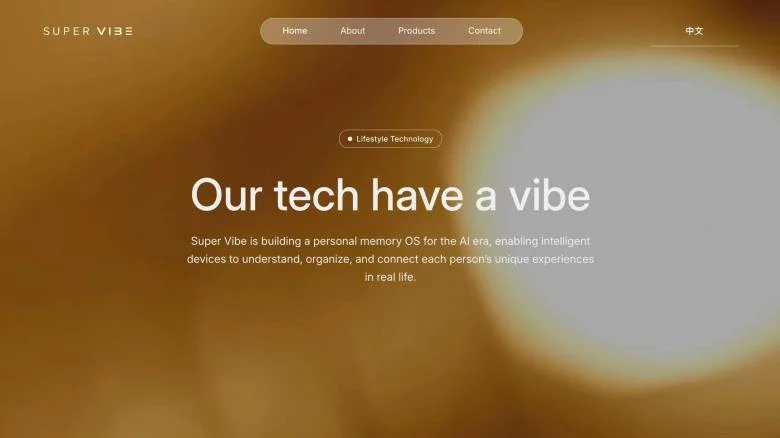
Vibe’s longer-term ambition is to make Souvi an entry point to a personal memory system. The near-term work centers on improving how it captures and organizes individual trips. Later, the company hopes to bring together material from more devices and sources, linking experiences across locations and time. It is also exploring services for richer organization, creative formats, and personalized ways to revisit past content.
That ambition would expand the product’s job from producing a recap of one outing to helping people navigate a growing personal archive. It also raises the bar for organization: material collected in different ways may vary in quality and context, and a system has to connect it without flattening distinct experiences into the same template. Vibe hasn’t explained how it will approach those tradeoffs, so the longer-term idea remains a direction rather than a demonstrated capability.
The company is considering expansion into Japan, South Korea, and North America, with online crowdfunding as a possible starting route. It hasn’t shared purchase data, so usage frequency, retention, and willingness to pay remain unknown. Those are useful measures here because a device built around memories has to earn a place in people’s routines before its archive can grow.
The everyday-use test
Those gaps point to the product’s practical test: will people wear a dedicated device often enough, value the stories its AI produces, and trust it with private memories? A useful first impression won’t be enough if the device feels awkward to carry or its edits miss what mattered. The product has to fit into the trip and make the time spent reviewing material feel worthwhile afterward.
What this means for you is that Souvi’s promise should be judged by the memories it helps you return to, not by the number of features or formats it can produce. The company’s account makes a plausible case for reducing the work between recording and remembering. That said, the quality of the output and people’s willingness to use a dedicated device are still open questions.
Souvi’s appeal depends on answering those questions through everyday use. If it can reliably surface the moments people care about, it could make a neglected archive of travel media feel worth returning to years later. If its selections feel generic, the device may simply add another step between taking pictures and leaving them untouched.